Science and STEM photographer Oxford

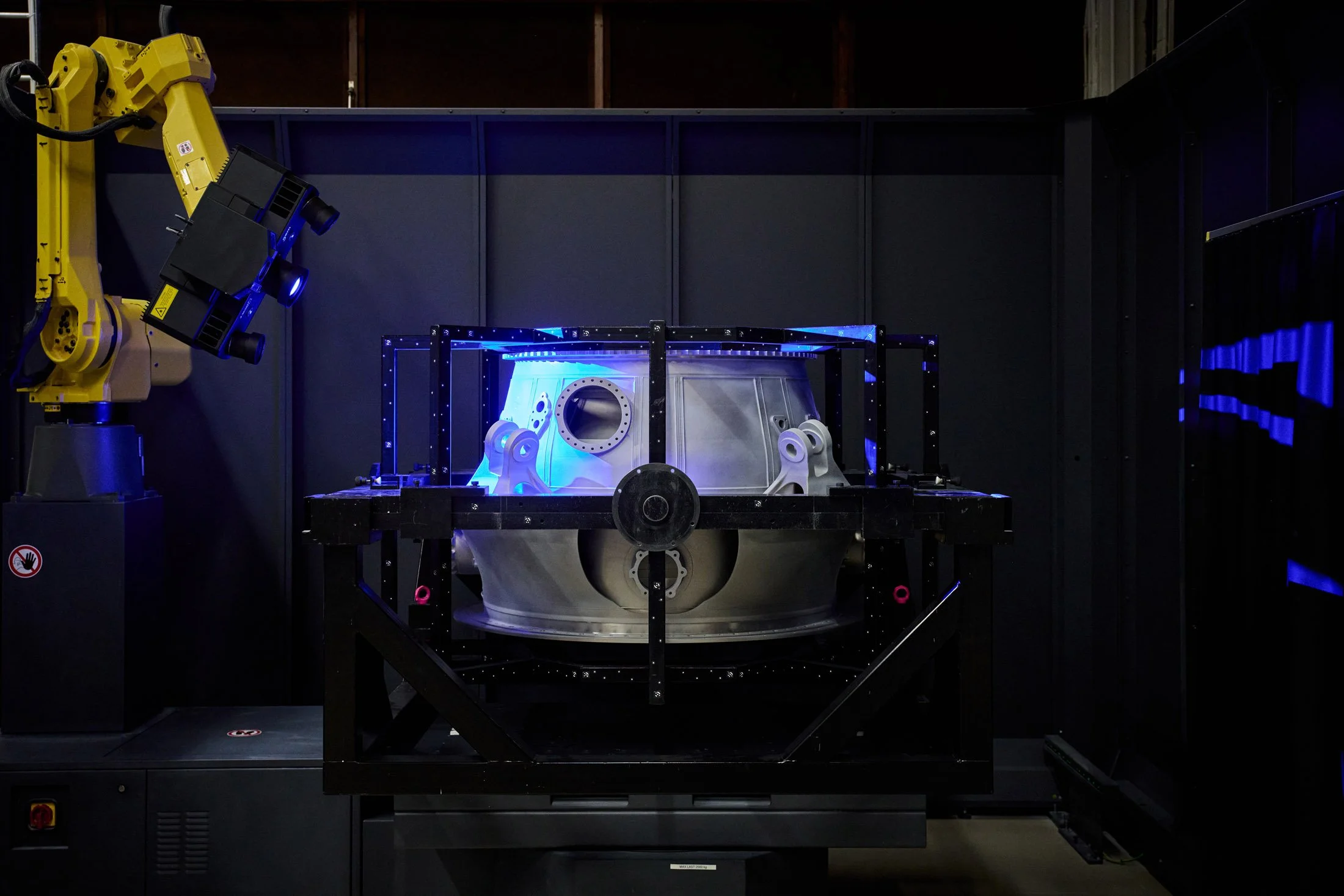
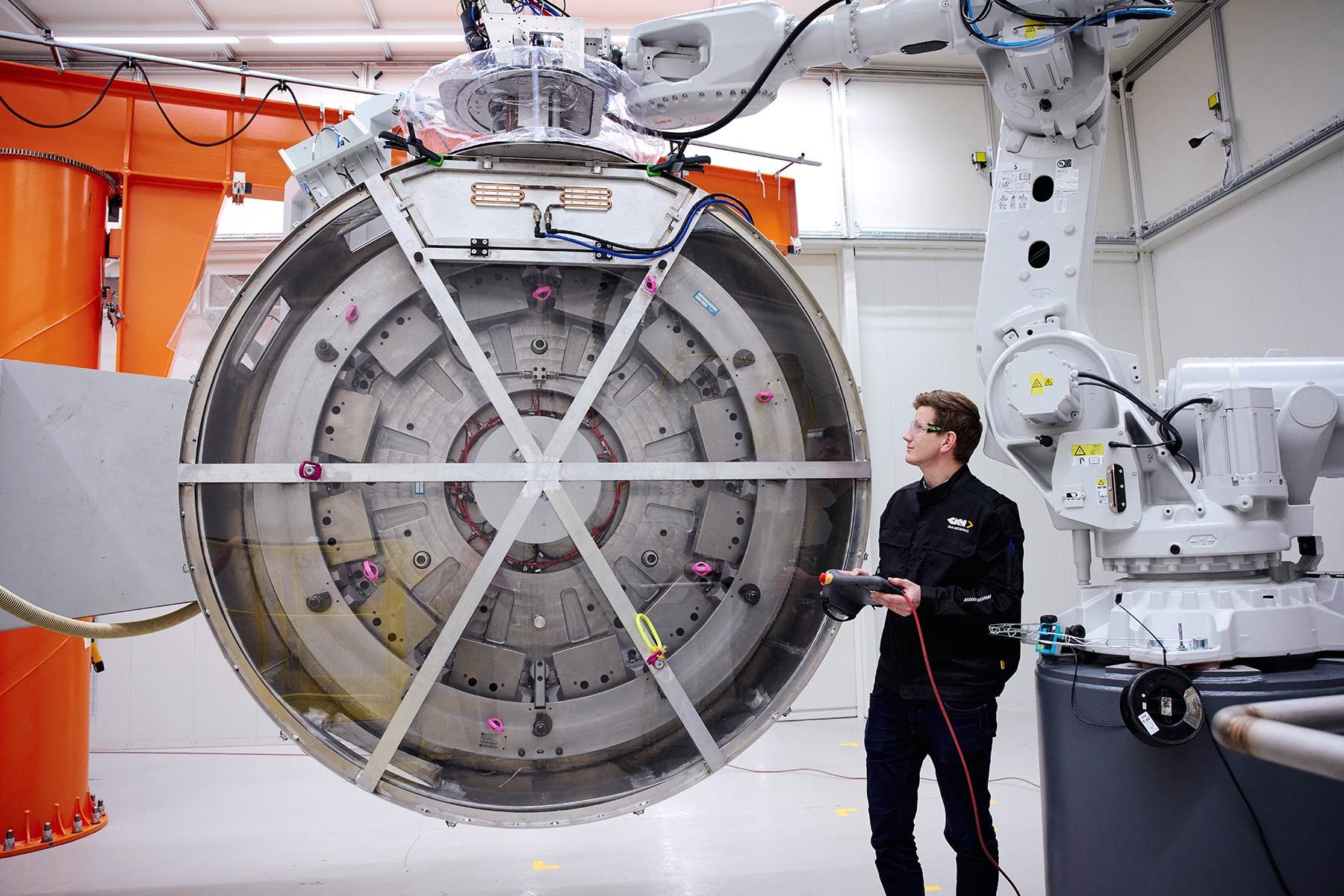
I’m David, an experienced science, technology and corporate photographer based near Oxford. I specialise in corporate photography for science, technology and industry that brings the powerful, intricate processes of production to life. From vast factory floors and cutting-edge machinery to skilled workers in action, I create compelling visuals that highlight the scale, precision, and innovation behind every product.

With experience in many varied production settings, I combine the technical expertise with a deep understanding of the sector to deliver images that tell a story. Whether you're looking to showcase the craftsmanship behind your products, document your facilities for marketing, or create impactful visuals for training and safety materials, My photographs can provide a unique perspective on the hard work and creativity that drive your business. I offer tailored solutions that seamlessly align with your business goals. Below are some of my previous clients and examples of recent work.
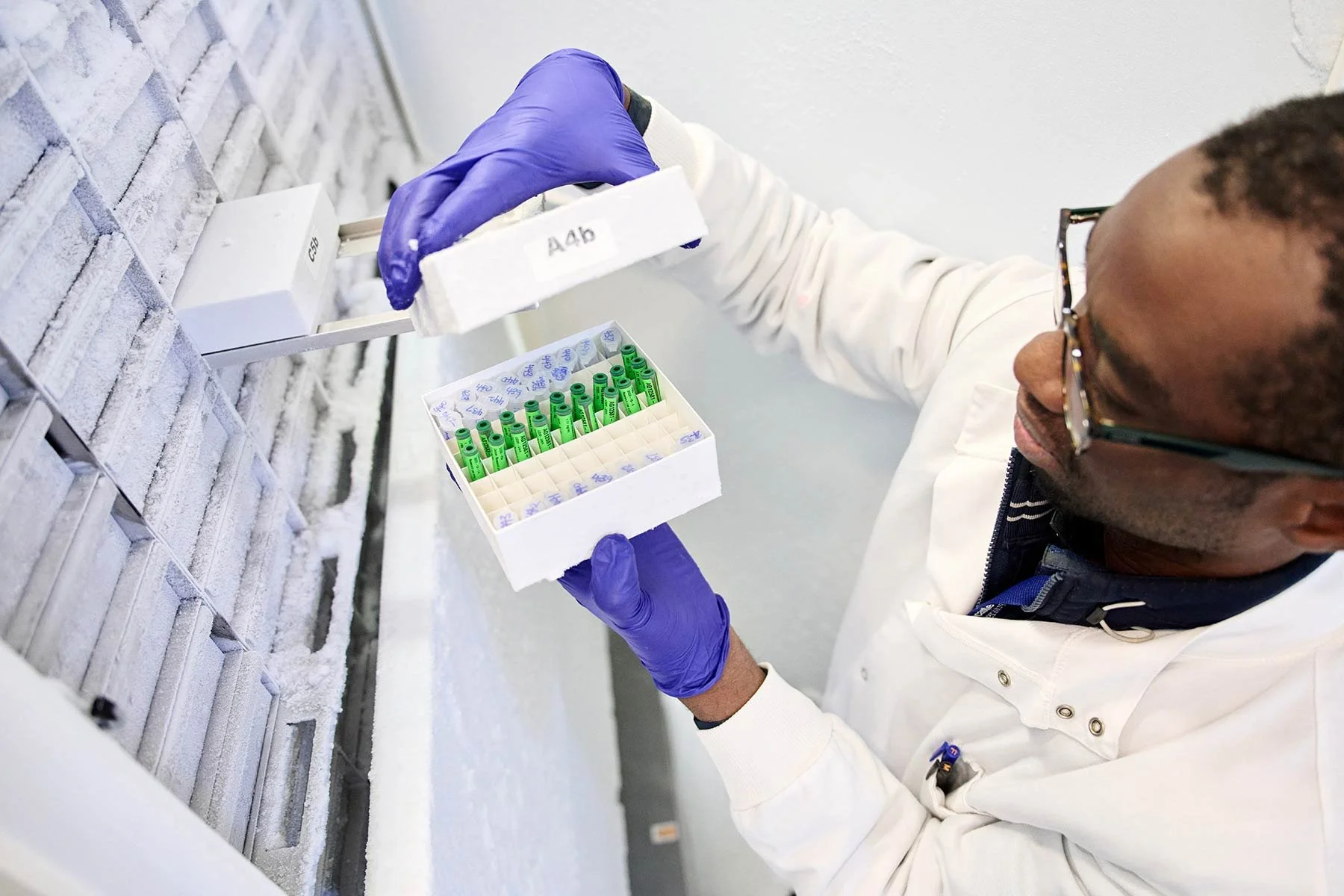
My experience as a STEM photographer

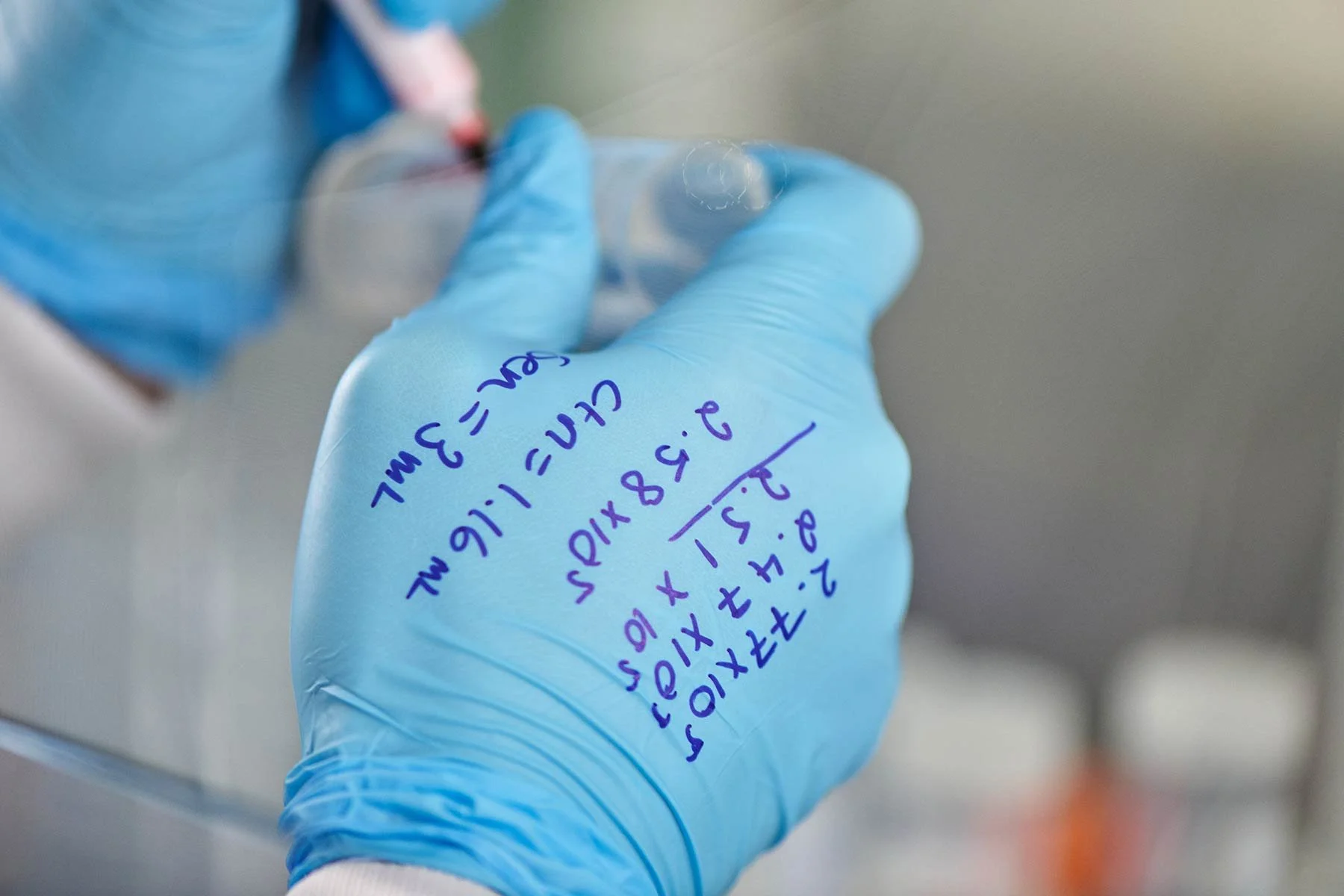
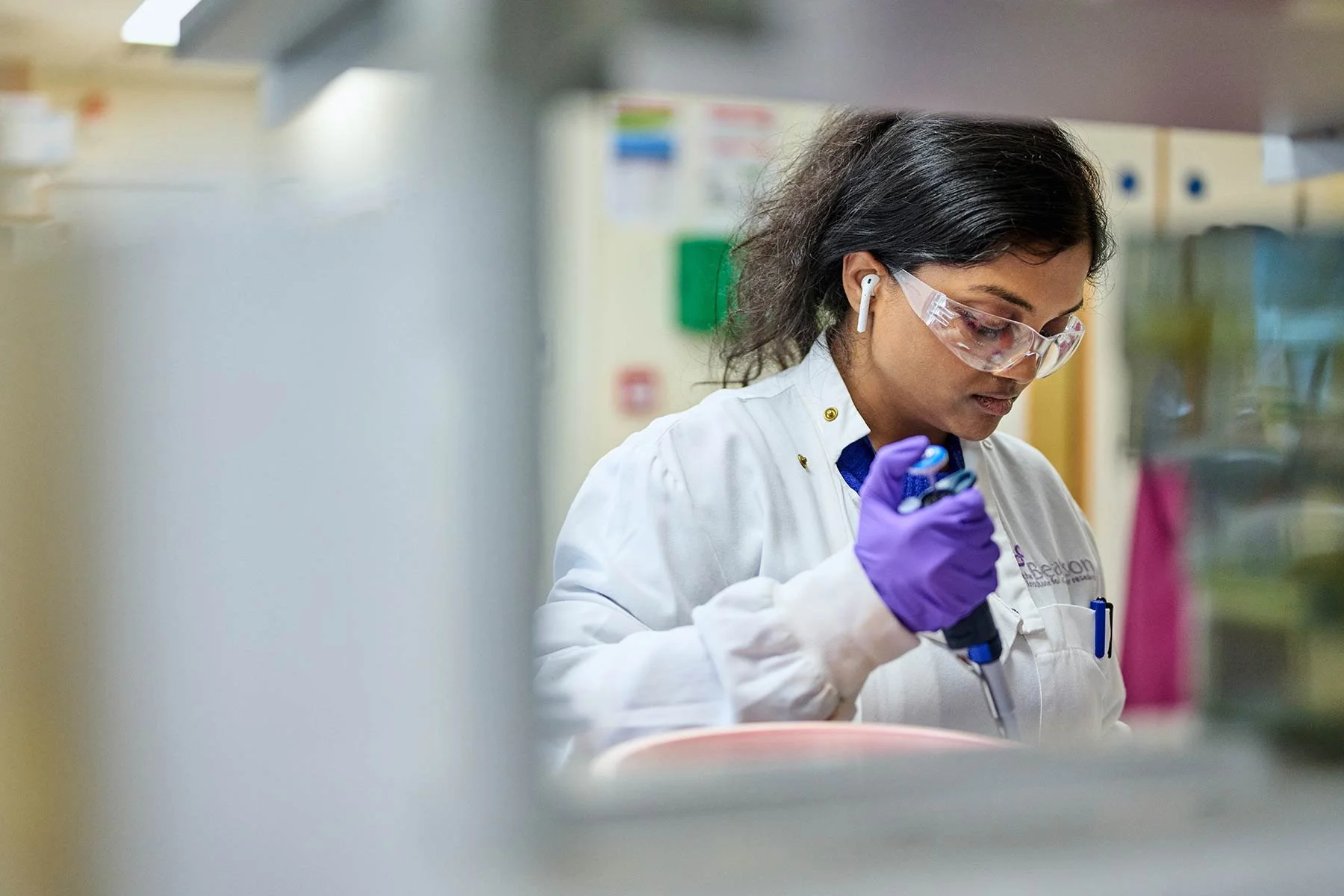
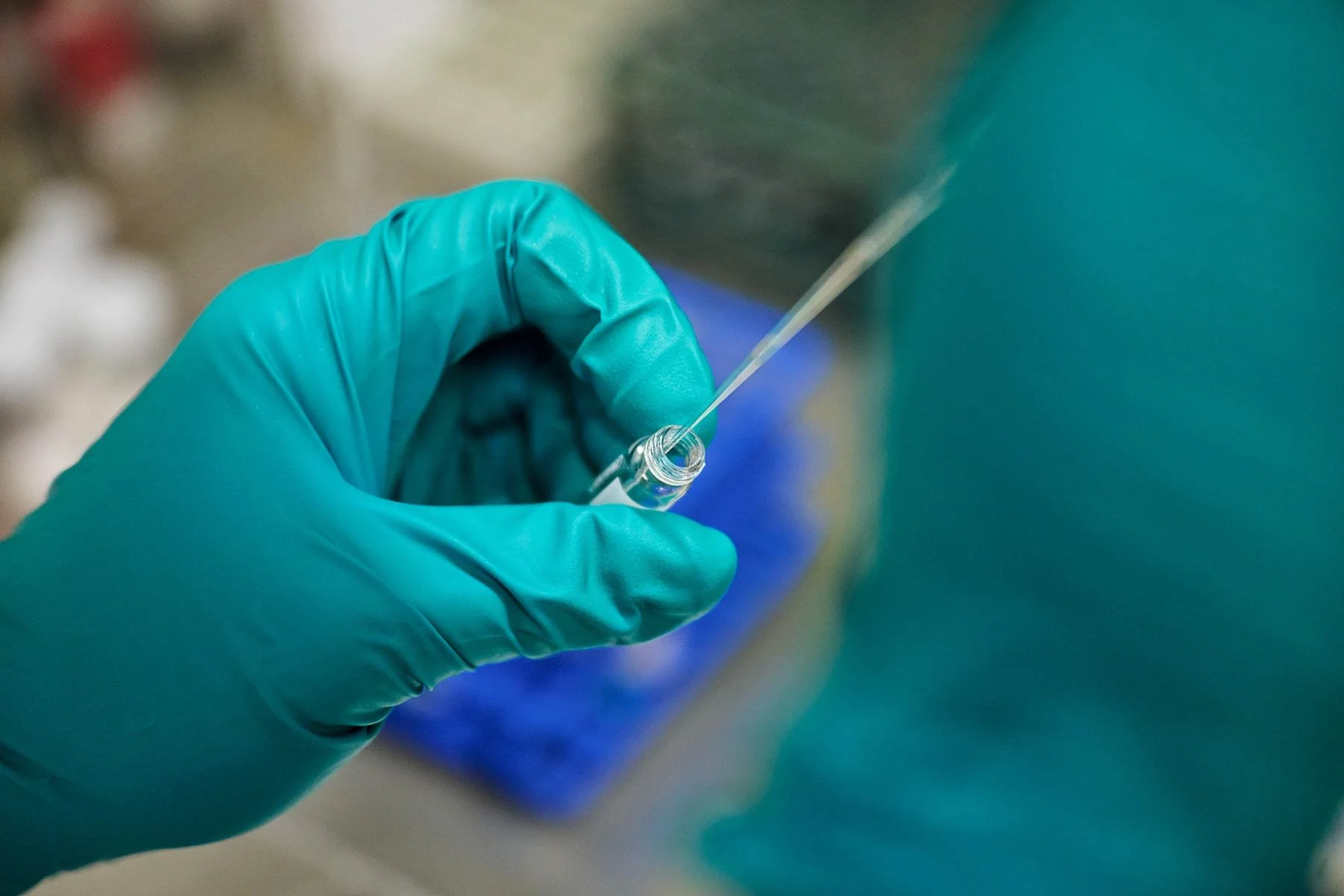
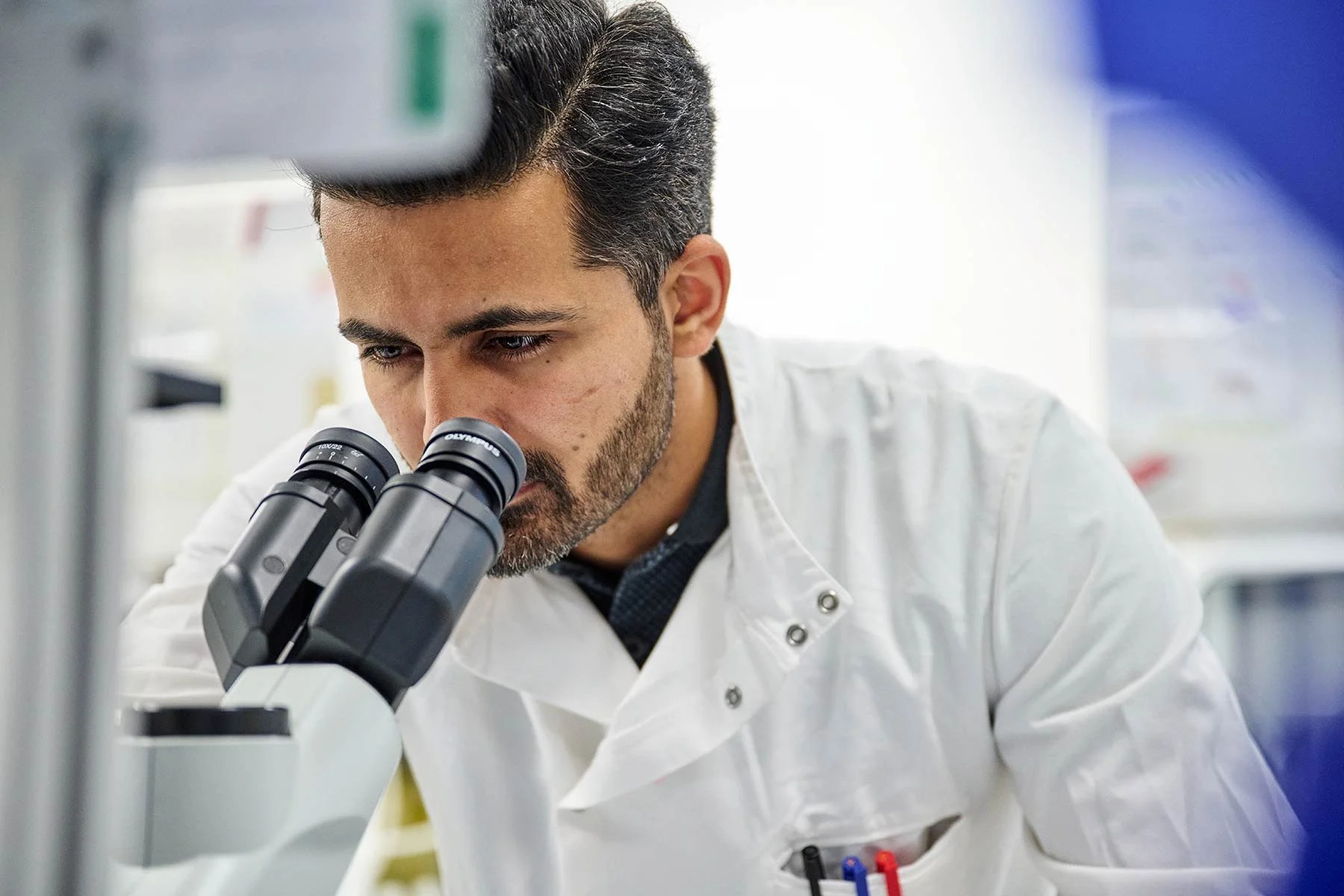
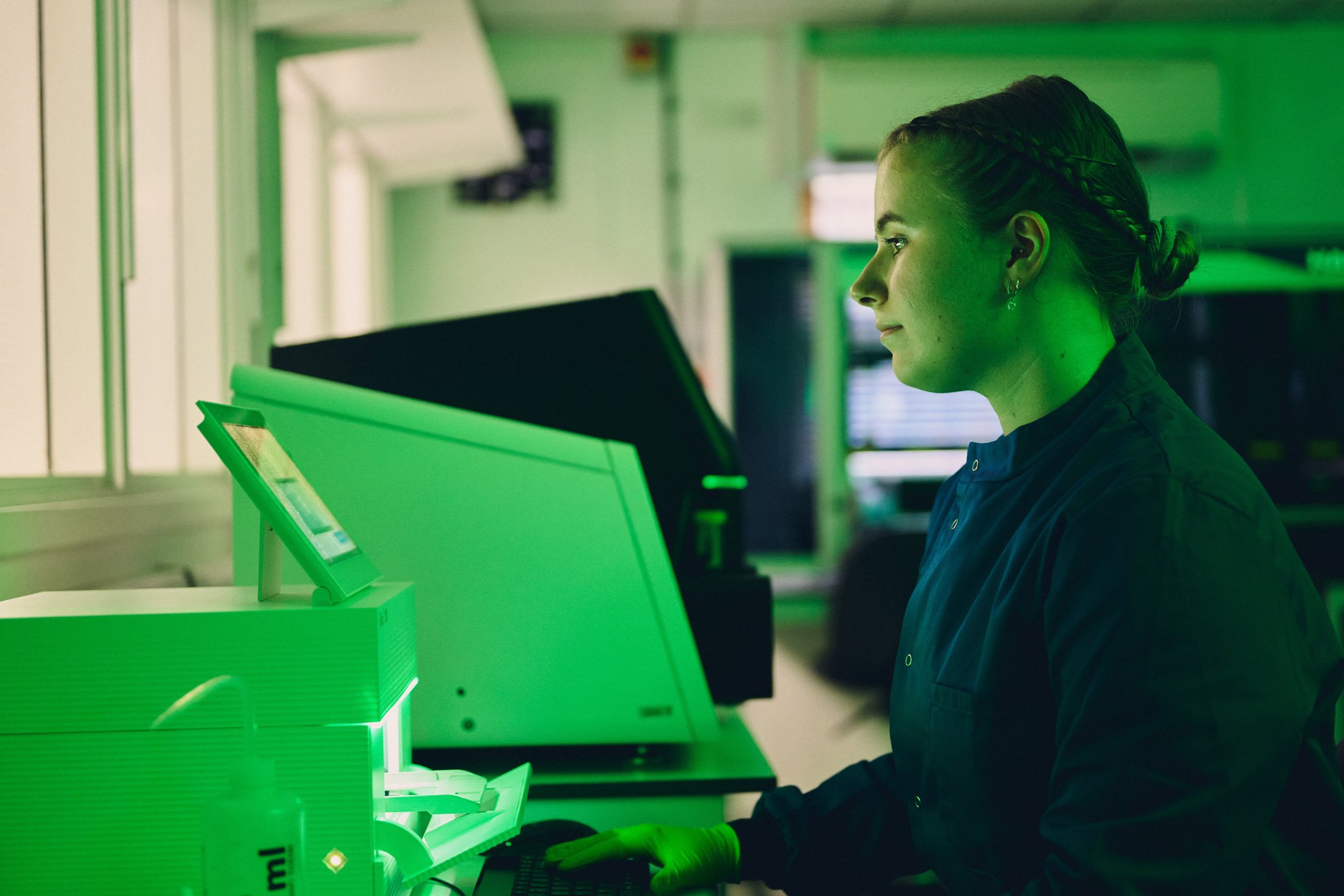
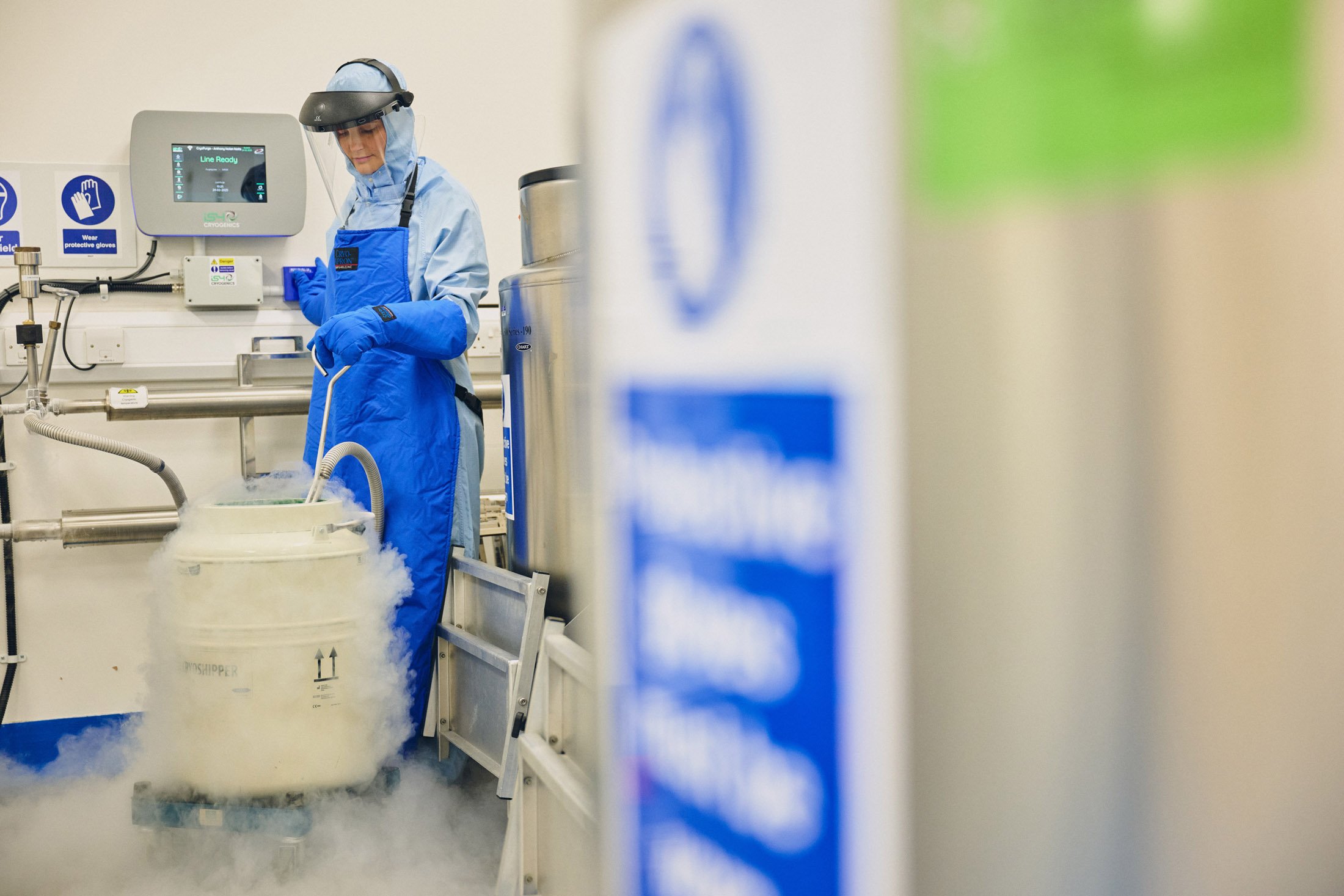
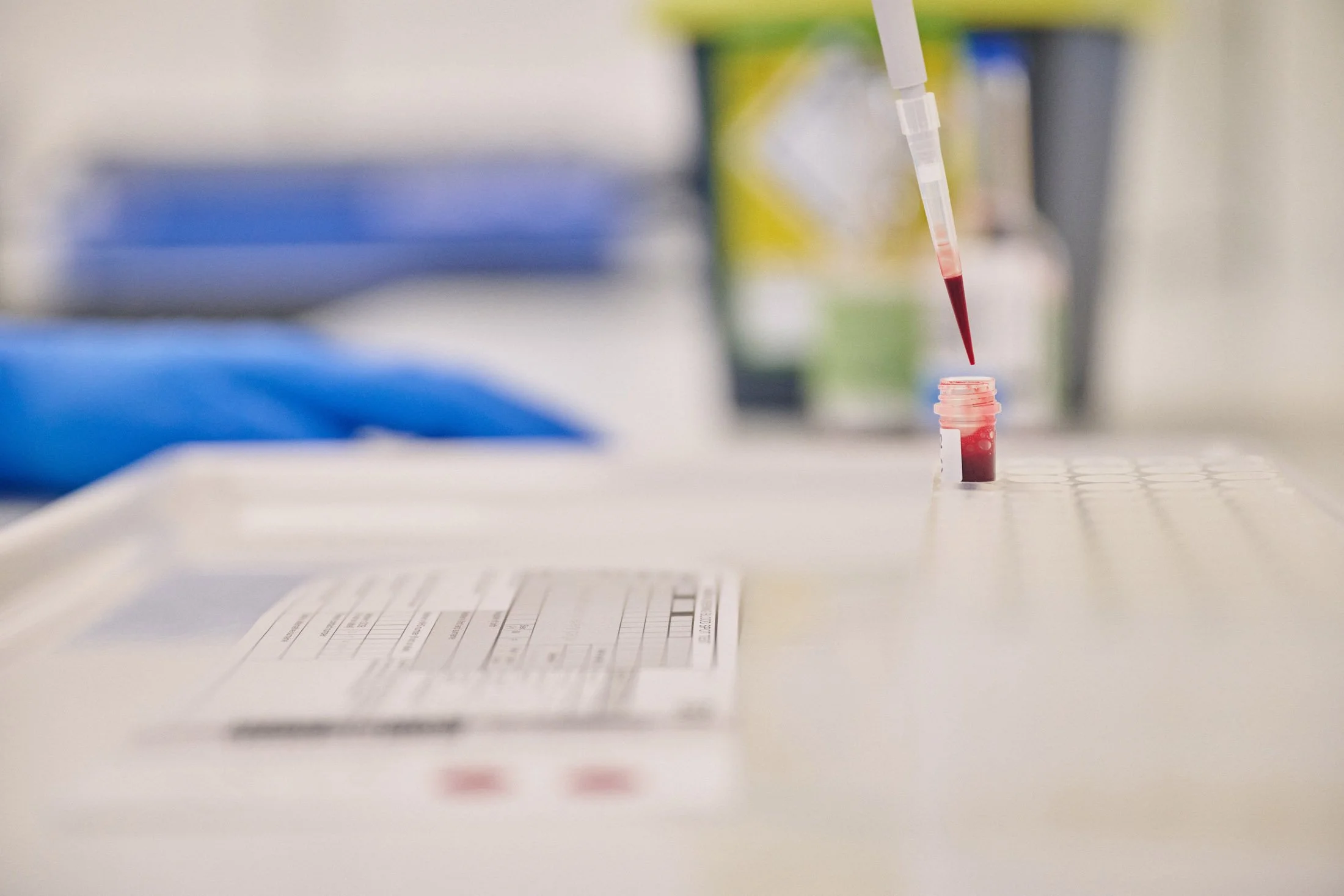
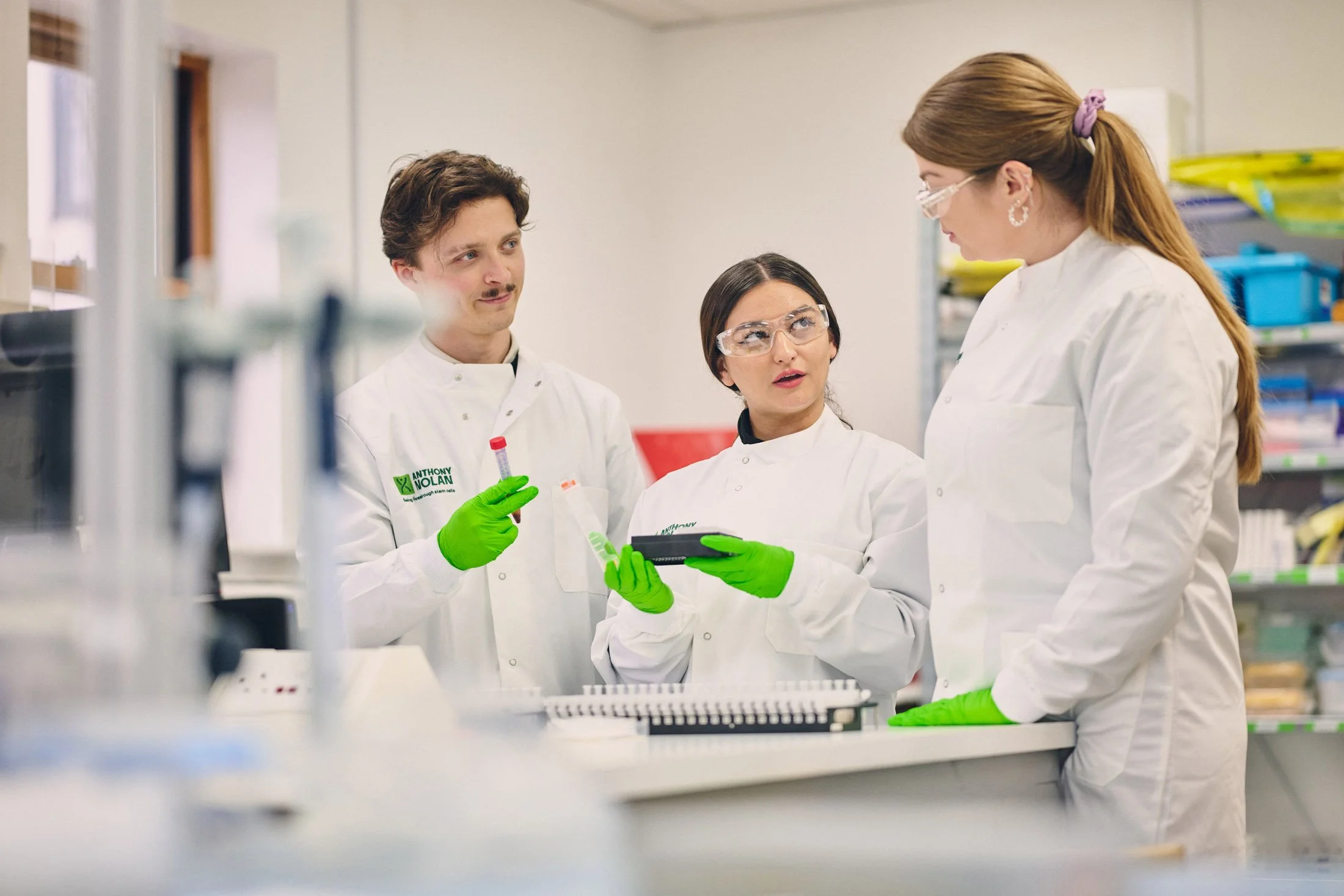
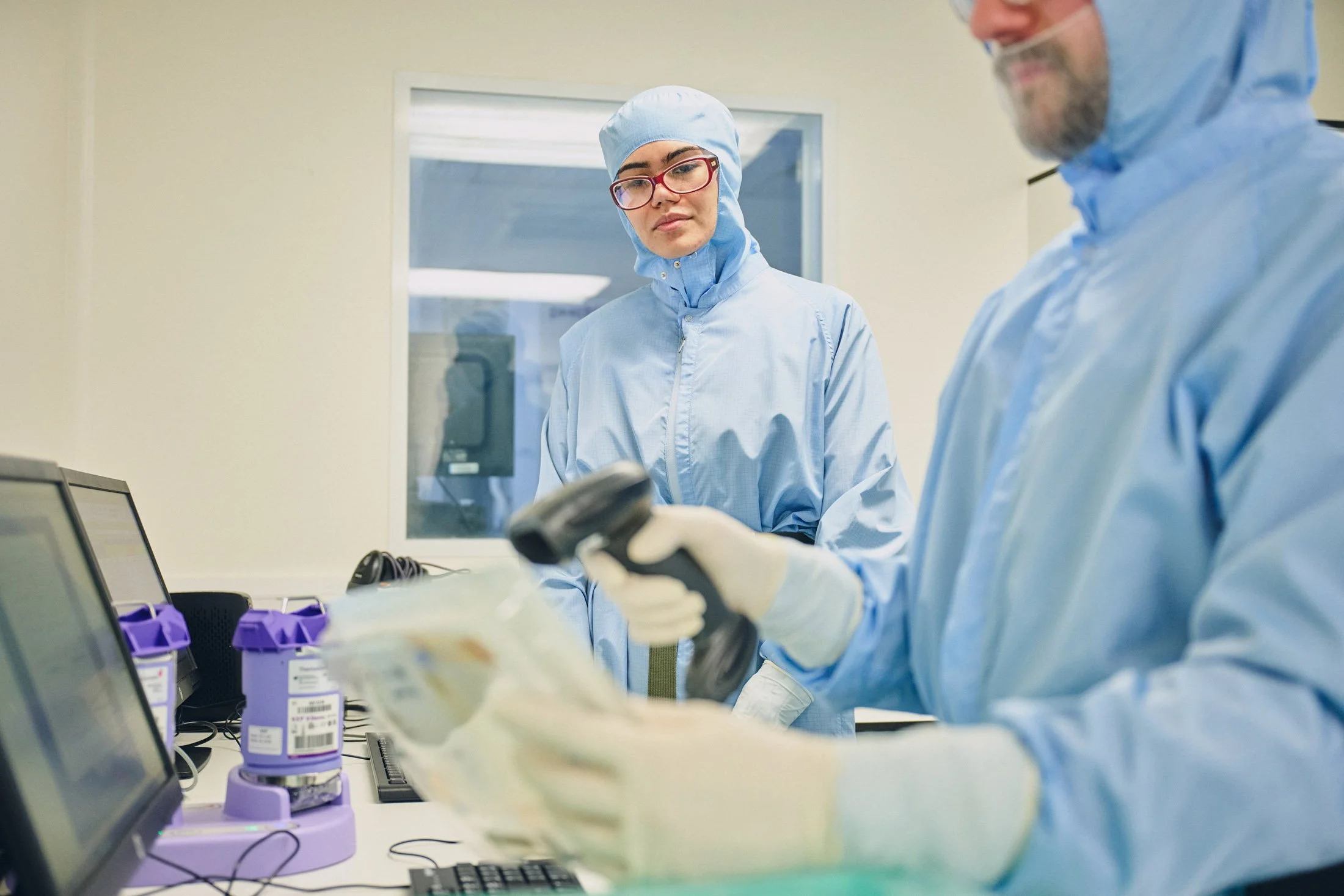
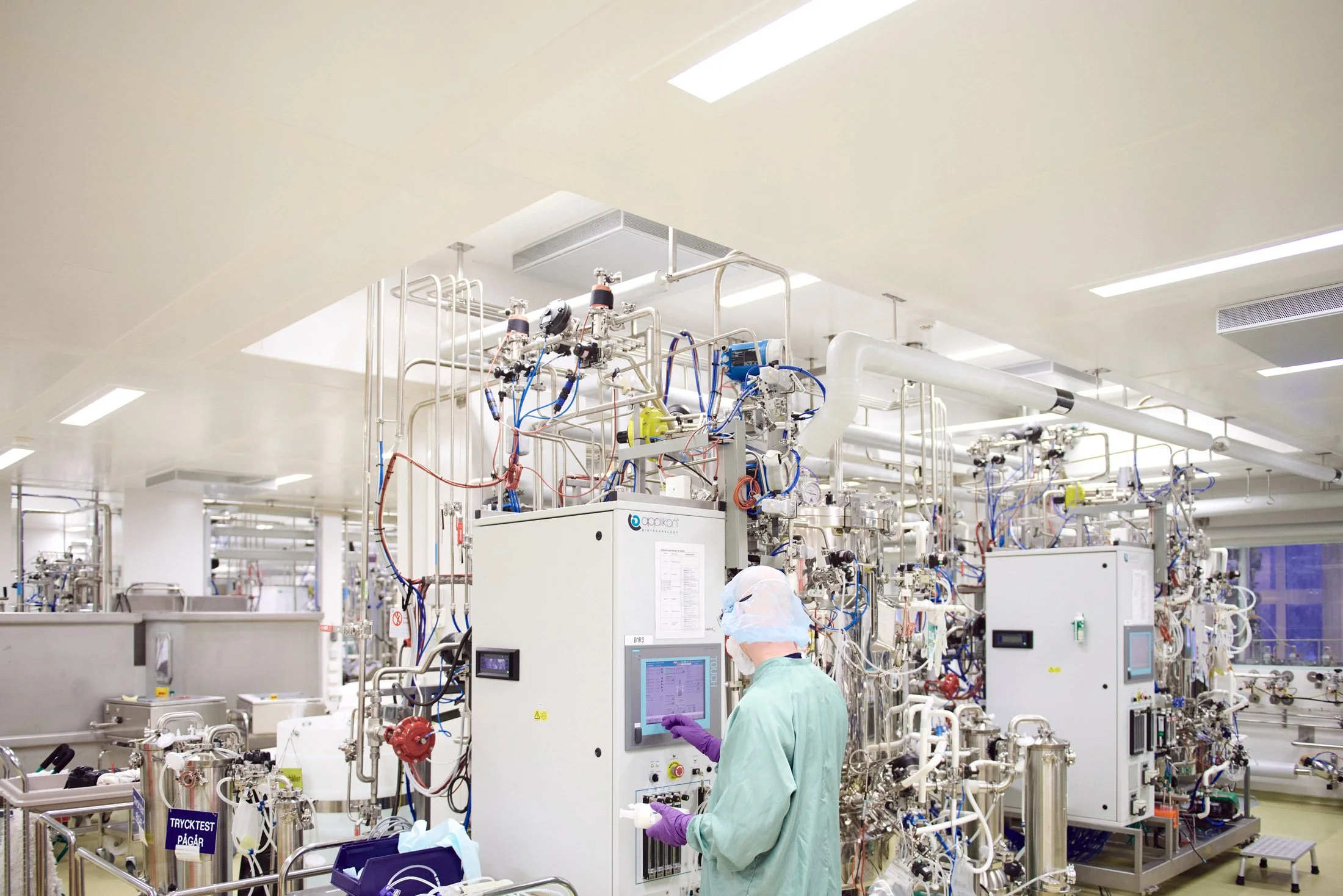
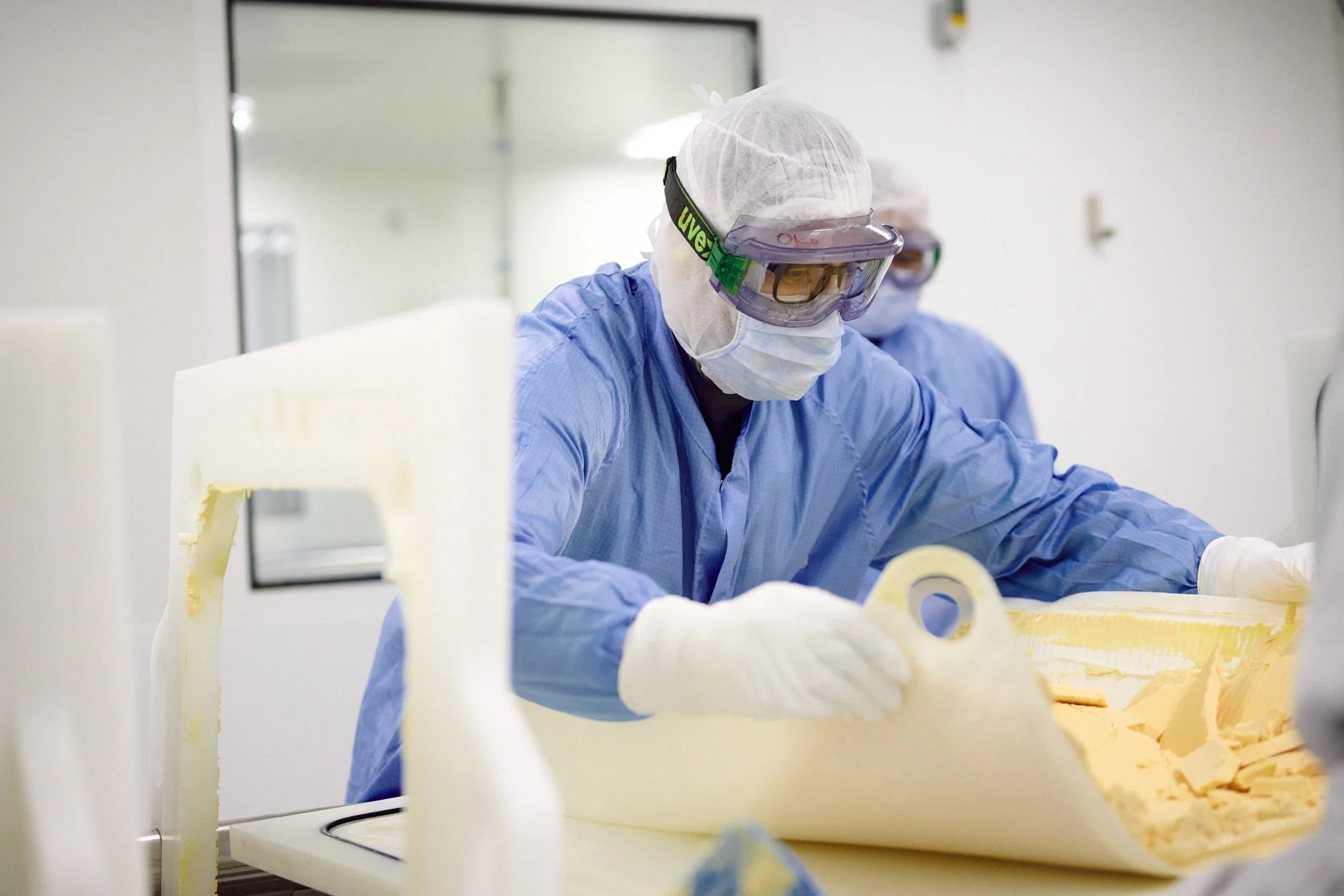
For 20 years I’ve been photographing with leading businesses and industry all over the UK and globally. I’ve worked in numerous situations from science labs to power stations in both the UK and on a number of occasions in, Europe, North America and Asia. I’ve photographed in highly clean blood plasma labs for Octaphama and blood labs for Anthony Nolan and Cancer Research. I’ve photographed in many pilot labs including Aston University and Newcastle University. I’ve also photographed in both Oxford and Cambridge science parks.

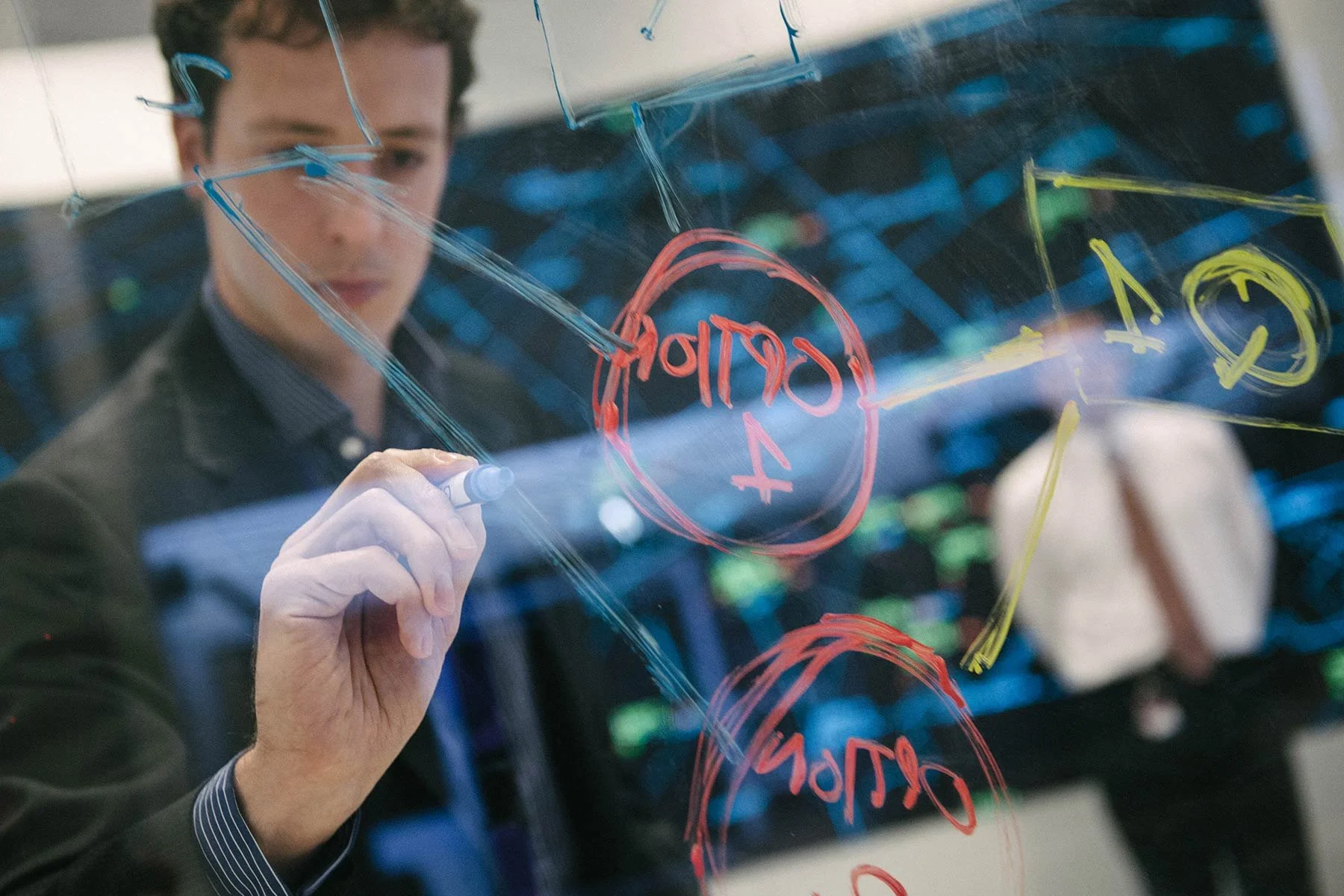
A science and STEM photographer is a visual storyteller who bridges the gap between discovery and public understanding through powerful imagery. Their work exists at the intersection of creativity, technology, research, and communication, capturing moments that reveal the complexity, beauty, and innovation of science, engineering, mathematics, and technology. Unlike traditional photographers who may focus primarily on aesthetics or emotion, a STEM photographer combines artistic vision with scientific literacy, using photography as a tool to educate, document, inspire, and preserve groundbreaking advancements across countless disciplines.

From laboratories and research centers to observatories, hospitals, robotics facilities, environmental field sites, and aerospace testing grounds, STEM photographers work in environments where innovation is constantly unfolding. They may document scientists conducting experiments, engineers designing advanced systems, surgeons performing complex procedures, or astronomers studying distant galaxies. Their images often showcase highly specialized equipment, microscopic structures, chemical reactions, artificial intelligence systems, renewable energy technologies, and the hidden processes that shape the modern world. Through carefully composed visuals, they transform technical subjects into engaging narratives that can be understood and appreciated by broad audiences.

A skilled science photographer possesses not only technical expertise in photography but also a deep curiosity about how the world works. Understanding scientific principles allows them to anticipate critical moments, accurately represent research processes, and communicate concepts with precision. Whether capturing the delicate structure of a cell through microscopy, the dramatic ignition of a rocket engine, or the intricate circuitry inside advanced robotics, they must understand lighting, timing, composition, and specialized imaging technologies. Many use advanced tools such as macro lenses, high-speed cameras, drones, thermal imaging systems, underwater housings, telescopic equipment, and electron microscopes to reveal details invisible to the naked eye.

STEM photography plays a vital role in education and public outreach. Scientific discoveries can often seem distant or inaccessible to the general public, but compelling imagery helps humanize researchers and visualize complex ideas. A single photograph of a climate scientist standing on a melting glacier, a biomedical engineer testing prosthetic limbs, or a physicist working inside a particle accelerator can communicate urgency, innovation, and human determination more effectively than pages of written data alone. These images appear in textbooks, museums, academic journals, documentaries, science magazines, university campaigns, digital media platforms, and international exhibitions, helping inspire future generations to pursue careers in science and technology.

In addition to documenting research, STEM photographers frequently contribute to scientific analysis itself. High-resolution imaging is essential in fields such as medicine, biology, astronomy, materials science, and environmental monitoring. Photographers working in these areas may collaborate directly with researchers to capture data, observe patterns, or create visual records for experiments and publications. Their work can support everything from wildlife conservation efforts and geological surveys to medical diagnostics and space exploration missions. In some cases, photographs become historical records of scientific milestones that shape humanity’s understanding of the universe.

The profession also demands adaptability and problem-solving skills. STEM photographers often work in challenging conditions — inside sterile laboratories, underwater ecosystems, Arctic environments, active volcano zones, manufacturing plants, or zero-gravity simulations. They may need to photograph hazardous materials, sensitive experiments, or fast-moving machinery while maintaining strict safety standards and scientific accuracy. Patience, attention to detail, and strong collaboration skills are essential, as they frequently work alongside researchers, engineers, educators, and media teams.

Creatively, science and STEM photography is one of the most visually diverse genres in the world. It can range from abstract microscopic patterns resembling fine art to cinematic images of advanced technology and expansive astrophotography capturing distant celestial bodies. The field merges analytical thinking with artistic expression, proving that science is not only informative but also visually extraordinary. By transforming equations, experiments, and innovations into compelling visual experiences, STEM photographers help society see science not as something distant or intimidating, but as something dynamic, human, and deeply connected to everyday life.

Ultimately, a science and STEM photographer serves as both an artist and a communicator of discovery. Their work preserves the progress of humanity while making complex ideas accessible and inspiring. Through their lens, invisible worlds become visible, innovation becomes relatable, and the pursuit of knowledge becomes a story that everyone can witness and understand.

STEM Industries in Oxford

Oxford is one of the United Kingdom’s most important centres for STEM industries — science, technology, engineering and mathematics. The city combines world-leading academic research with a fast-growing network of startups, science parks, laboratories and engineering firms. This growth is linked to the University of Oxford and the innovation region connecting Oxford, Cambridge and London.

Biotechnology and Life Sciences
Oxford has become internationally recognised for biotechnology, medical research and pharmaceutical innovation. Research from the University of Oxford has helped create many spinout companies focused on vaccines, diagnostics, AI healthcare and genomics. Science parks around the city support both early-stage startups and multinational firms.

Key strengths include:
– Vaccine development
– Genomics and precision medicine
– Drug discovery
– Medical AI
– Biomedical engineering

The city gained global attention during the COVID-19 pandemic through the Oxford-AstraZeneca vaccine programme, which demonstrated Oxford’s ability to translate academic science into large-scale public health technology.

Engineering and Advanced Manufacturing
Engineering remains central to Oxford’s economy. The city has a long history of vehicle manufacturing and advanced mechanical engineering. BMW operates the MINI production plant in Cowley, while Oxfordshire more broadly forms part of “Motorsport Valley,” a cluster of Formula 1 and high-performance engineering companies. Oxford also supports:
– Robotics
– Aerospace technologies
– Quantum engineering
– Computer vision systems
– Materials science

Technology and AI
Oxford’s technology industry has expanded rapidly in recent years. Many startups focus on:
– Artificial intelligence
– Data science
– Software engineering
– Cybersecurity
– Machine learning
– Scientific computing

Innovation centres such as the Oxford Centre for Innovation and Begbroke Science Park help young technology firms scale by providing office space, research labs and mentoring.

Space and Energy Research
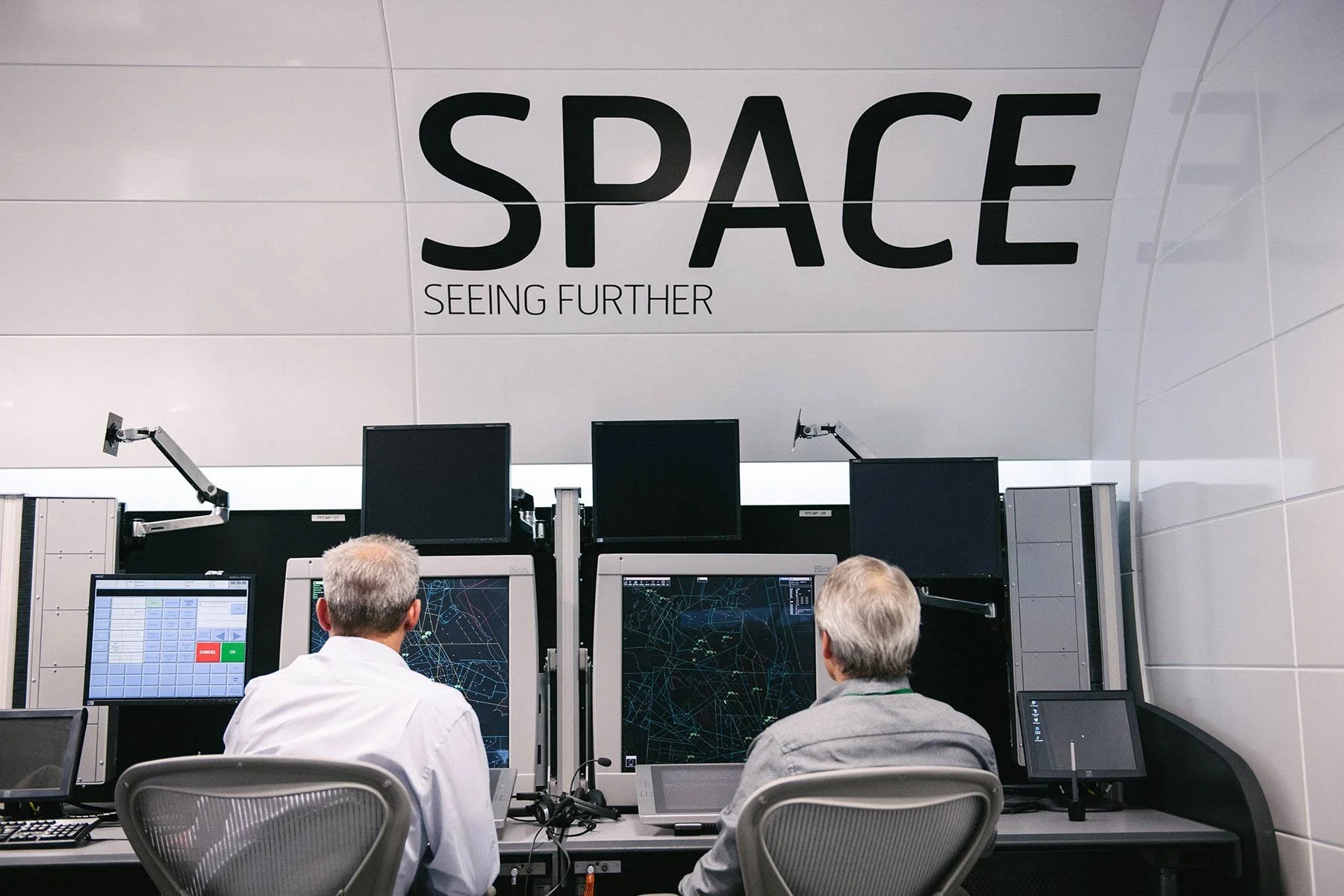
Oxfordshire is also important for space science and clean energy research. Nearby facilities such as Harwell Campus and Culham Science Centre specialise in:
– Satellite technologies
– Nuclear fusion research
– Remote robotics
– Energy systems engineering

The UK Atomic Energy Authority’s fusion research programmes at Culham are internationally significant in the development of future clean energy systems.

Innovation Ecosystem
Oxford’s STEM success depends heavily on collaboration between universities, investors, government organisations and private companies. The city contains:
– Science parks
– Startup incubators
– Venture capital networks
– Research hospitals
– Advanced laboratories

Organisations such as The Oxford Trust and Science Oxford support both science education and startup growth. Their innovation centres currently support hundreds of employees in science and technology businesses.
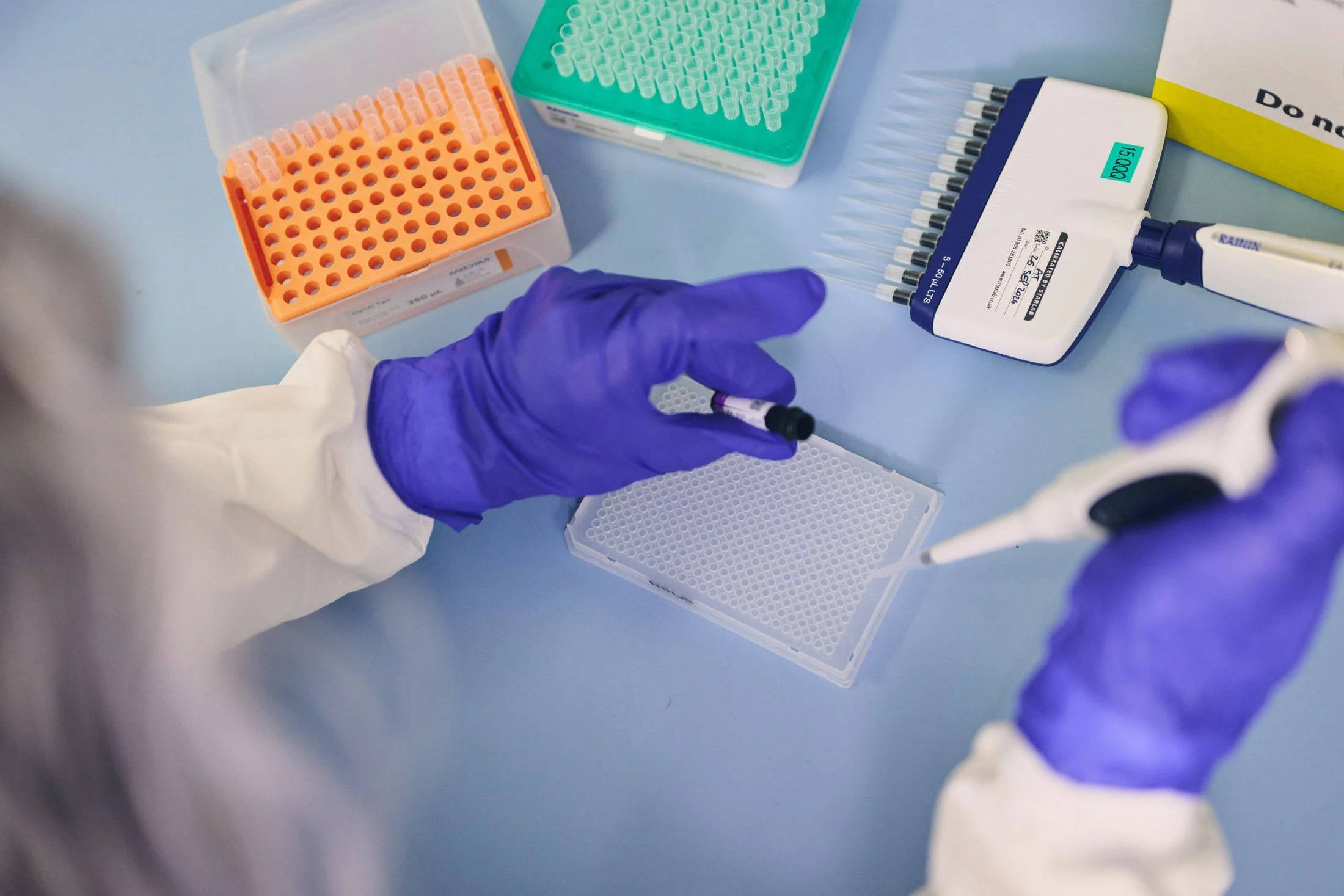
The city is also investing heavily in new laboratory space because demand from STEM companies continues to rise. Recent redevelopment projects aim to turn former retail sites into high-tech research facilities.

The combination of academic excellence, research funding and entrepreneurial activity continues to make Oxford one of the UK’s most influential STEM economies.

Industry and manufacturing photography

As an industrial photographer I specialise in capturing the processes, equipment, and environments associated with industries such as manufacturing, construction, engineering, and energy. This type of photography aims to showcase the scale, precision, and technological sophistication of industrial operations, often highlighting machinery, factories, workers, and the overall ambiance of industrial environments.

Here are some key aspects of industrial photography:
Factories and plants: Capturing large-scale production facilities, assembly lines, and manufacturing equipment.

Machinery and equipment: Highlighting specific machines, tools, and technology used in production or other industrial tasks.

Construction sites: Documenting the building process, including workers, heavy machinery, scaffolding, and completed structures.

Energy and utilities: Images of power plants, oil rigs, renewable energy facilities, and infrastructure like pipelines and electrical grids.

Workers in action: Showing employees at work in factories, on construction sites, or in other industrial settings, often highlighting skill and craftsmanship.

Lighting and composition considerations
Industrial settings can have complex lighting situations due to large machinery, high ceilings, and sometimes dim lighting. Photographers often use artificial lighting to create dramatic effects or highlight specific details in the scene.

Natural light: Sometimes, natural light coming through windows or skylights is used to give a raw, realistic feel to the images.

Artificial lighting: Studio lights or portable flashes are often used to accentuate certain features, add depth, and create a sense of dimension in the photo.

Wide shots: To showcase the scale and vastness of a factory or production area.

Close-ups: Focusing on intricate details of machinery, components, or tools.

Architectural shots: Emphasising the design of industrial buildings or structural elements, sometimes with an abstract or geometric approach.

Techniques used for photography
Long exposure: To capture movement in a factory setting, such as the rotation of gears or conveyor belts.

High dynamic range (HDR): Used to balance the exposure in high-contrast environments, especially when there are bright lights from machines and darker shadowy areas.

Aerial photography (drones): Often used for capturing large industrial sites or construction projects from above, offering a unique perspective.

Environmental portraits: Photographs of workers with their tools or machinery, often aimed at creating an emotional connection with the viewer.

Challenges when photographing industrial sites
Safety concerns: Many industrial settings are hazardous, so photographers must adhere to safety protocols, wear proper protective gear, and often require access permissions.

Lighting issues: Factories and industrial environments may have inconsistent or harsh lighting, requiring advanced skills in balancing exposure.

Logistical challenges: Large sites can be difficult to navigate, and photographers often need to coordinate with the company to gain access to specific areas of the plant or site.

Harsh environments: Industrial sites can be dusty, noisy, or involve dangerous equipment, so photographers need to be prepared for such conditions.

Weather: For outdoor industrial sites, weather conditions can play a huge role in the final image—rain, snow, or fog can add atmosphere but also complicate logistics.

Technical complexity: Industrial equipment often involves detailed machinery that requires precise, focused shots.

Industries served
Manufacturing
Oil & Gas
Construction
Energy (including renewable)
Engineering
Aerospace
Mining

Industrial photography styles
Realistic and documentary style: Aims to capture an authentic, no-frills depiction of industrial work.

Fine art industrial photography: Focuses on the aesthetic aspects, using industrial elements for artistic expression, often in an abstract or stylised manner.

Editorial style: Images designed to tell a story or communicate specific information about the processes, technologies, or people behind the industry.

Overall, industrial photography plays a crucial role in visually documenting the behind-the-scenes operations that drive industries forward, while also highlighting the technology, precision, and labor involved.

Tips for photographing specific industries


Automotive manufacturing photography
Focus on movement: Capturing vehicles moving through assembly lines or being tested on tracks can create dynamic imagery. Use fast shutter speeds to freeze motion or slower speeds for motion blur.

Detail shots of parts: Highlight precision parts, tools, and components such as engines, wheels, or electronics. Use macro or zoom lenses to capture the complexity.

Focus on workers: Get shots of skilled laborers assembling intricate parts or operating robotic machinery.

Environment shots: Wide-angle shots of the production floor or showroom, highlighting the scale of the operation.

Electronics manufacturing photography
Close-up shots: Electronics are often small and highly detailed, so macro lenses are invaluable for showing components like microchips, circuit boards, and assembly robots at work.

Clean, organised shots: The tech industry often prides itself on cleanliness and precision. Focus on areas that are well-lit, clean, and organized.

Laboratory or test areas: Document areas where products are being tested or finalized. Use additional lighting to ensure crisp shots even in dim spaces.

Pharmaceutical or medical equipment manufacturing
Sanitary and controlled environment: Many pharmaceutical factories require a clean environment. Emphasize the cleanliness and sterility of the manufacturing process.

Worker safety: Workers in these facilities often wear specialized clothing like lab coats or gloves, which adds to the sterile, professional look.

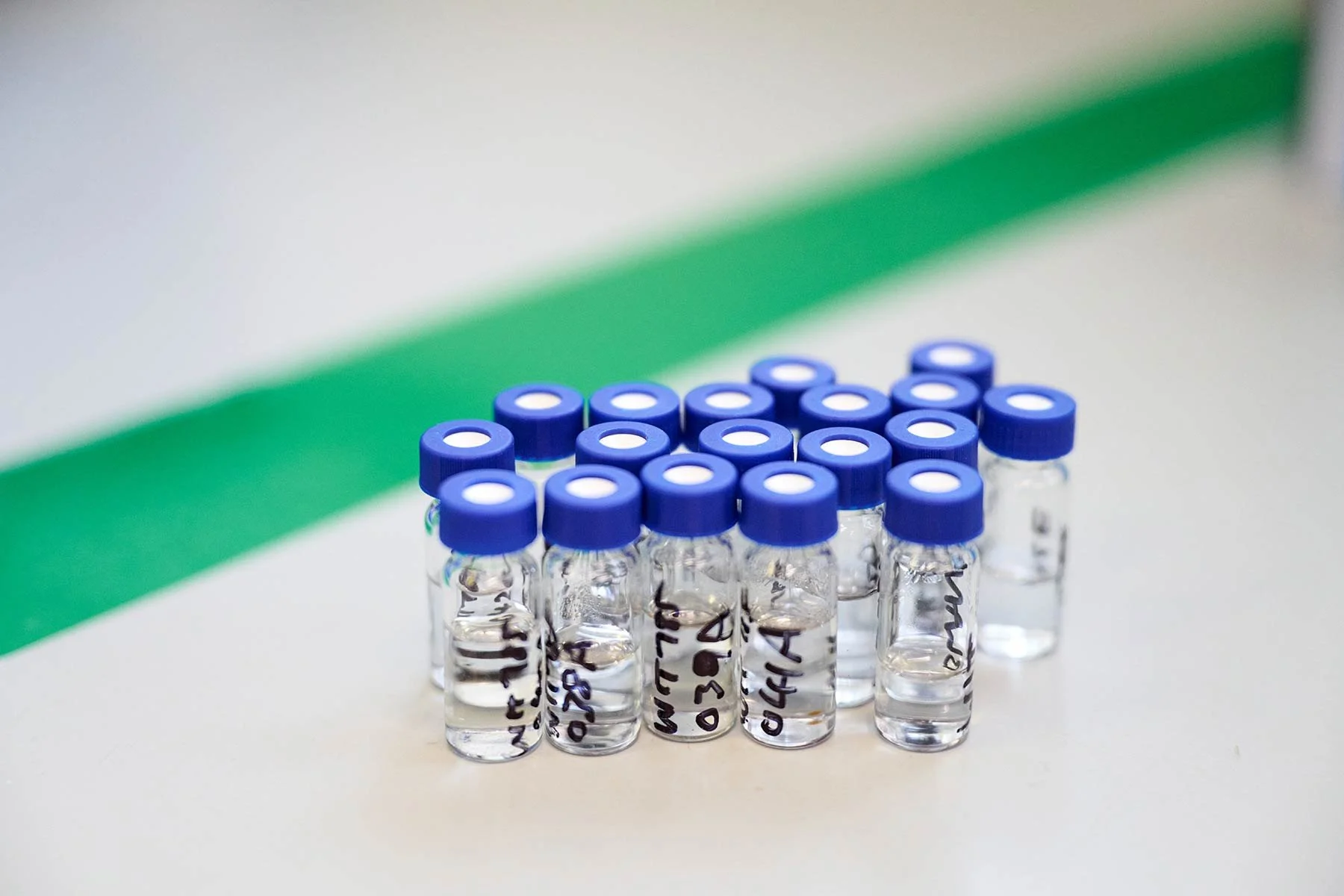
Close-up product shots: For items like medical devices, pills, or vials, use macro lenses to highlight detail.

ISO standards: Show adherence to safety and quality standards with images of safety equipment, lab setups, or quality control checks.

Food manufacturing photography
Freshness and appeal: When photographing food processing or packaging, it’s important to focus on the vibrancy and appeal of the finished product. Soft lighting can help emphasize textures, colors, and freshness.

Process shots: Capture each step of the production process, from raw ingredients to packaging. This is often an essential part of food marketing, showing the care taken in the manufacturing process.

Workers and hygiene: Food production areas often have strict hygiene standards, so capture workers wearing appropriate gear like hairnets, gloves, and aprons.

Packaging shots: Highlight the clean, branded packaging used to present the food.

Best practices for manufacturing photography
Plan your shots: Manufacturing environments are often dynamic and fast-paced. Before you start shooting, create a shot list that includes both wide-angle photos (of entire production lines or facilities) and more detailed close-up shots (of individual products, machinery, or workers).

Safety first: Always adhere to safety protocols in a factory environment. Wear protective gear like safety glasses, gloves, and appropriate clothing if required. Be mindful of your surroundings, especially in areas with heavy machinery.

Capture the human element: Showcasing workers adds a relatable, human touch to the photos. Get shots of employees engaged in tasks, interacting with machinery, or working together. Make sure they are portrayed safely and professionally.

Lighting control: Industrial spaces can have harsh or uneven lighting. Be ready to use off-camera flash or additional lighting to fill in shadows, highlight details, and create a polished look.

Use reflectors & diffusers: In environments where lighting is uneven (e.g., in factory floors with overhead lights), using reflectors can help bounce light onto your subject. Diffusers can soften harsh shadows or light coming from windows or overhead lights.

Composition: Composition in industrial photography is key to presenting a sense of order and organization. Use leading lines (from machines, conveyor belts, or workstations) to draw the viewer’s eye through the image.

Post-Processing:While post-processing is crucial for any type of photography, in manufacturing, it’s especially important to enhance details, contrast, and clarity. Adjust the exposure, sharpen the image, and use local adjustments to emphasize textures or lighting without losing the authenticity of the environment.

Photography for marketing purposes
When taking photos for marketing, ensure the images not only represent the process but also tell a story about your brand and product quality. These photos can be used on websites, brochures, social media, and in presentations for investors or clients.

Brand consistency: Use your brand’s colours, logo, and overall style in the photos. If you’re shooting products, make sure they align with your company’s image and branding.

Action shots: Shots of workers engaged in their tasks, machinery in operation, or products being created give life to the images and add energy to your brand story.

Clean and professional look: A professional, well-lit photo with an emphasis on cleanliness and precision will make your company look organised and detail-oriented.

Have a project in mind? Contact STEM Photographer Now!

To discuss a project, arrange a meeting or view my portfolio please contact me on +44 (0)7956 902 509
or by email at mail@davidhares.com