

Interior photographer Bristol
I’m David, an interior photographer with 20 years of experience. I’ve worked with leading businesses and creative professionals in Bristol, the UK and globally. My reliability and consistent powerful images under tight deadlines have earned me trust from architects, design and advertising agencies and FTSE 100 clients.
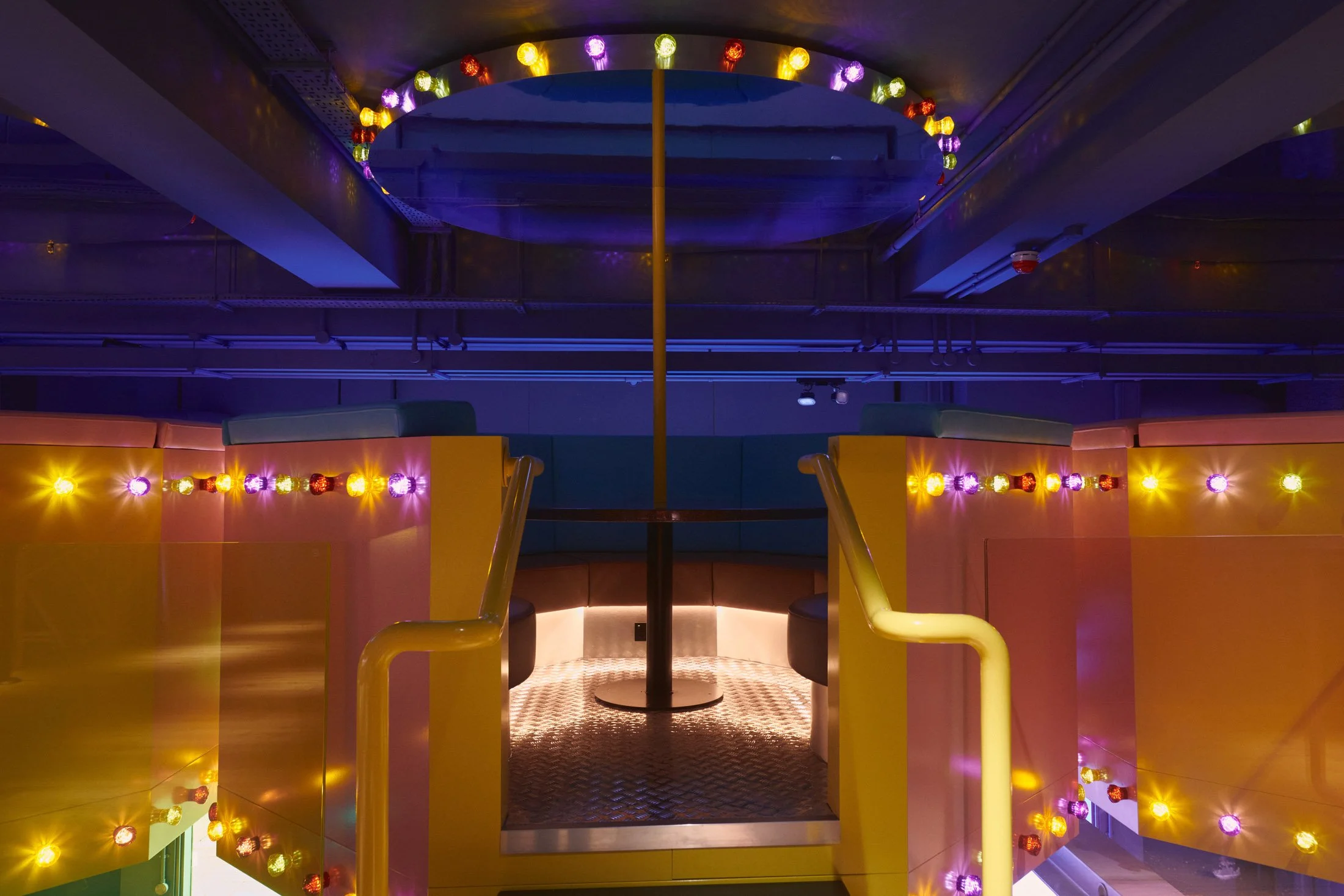
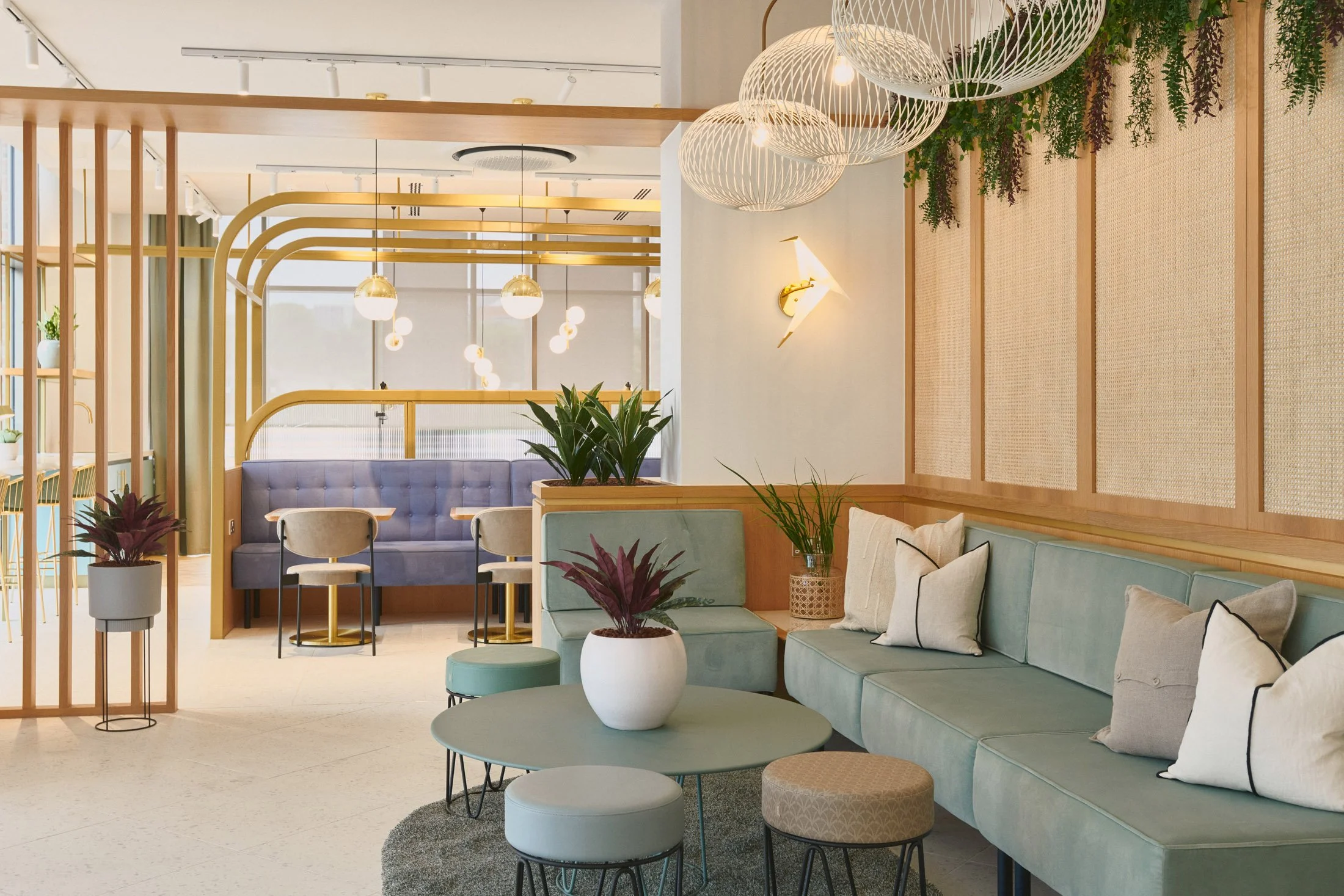
With a keen eye for detail and a passion for design, I specialise in capturing the beauty and character of residential, commercial and hospitality spaces. Combining technical precision with a strong creative vision, I create images that highlight each space’s unique ambiance textures and features.
I bring a wealth of experience to every project. Whether it’s a sleek modern apartment a luxurious hotel or a cosy café I understand how to showcase a space’s best light bringing out its personality and purpose. Driven by a passion for storytelling through imagery I take pride in delivering photographs that not only document but also evoke atmosphere helping clients communicate their design vision. Below are some of my previous clients and examples of recent work.


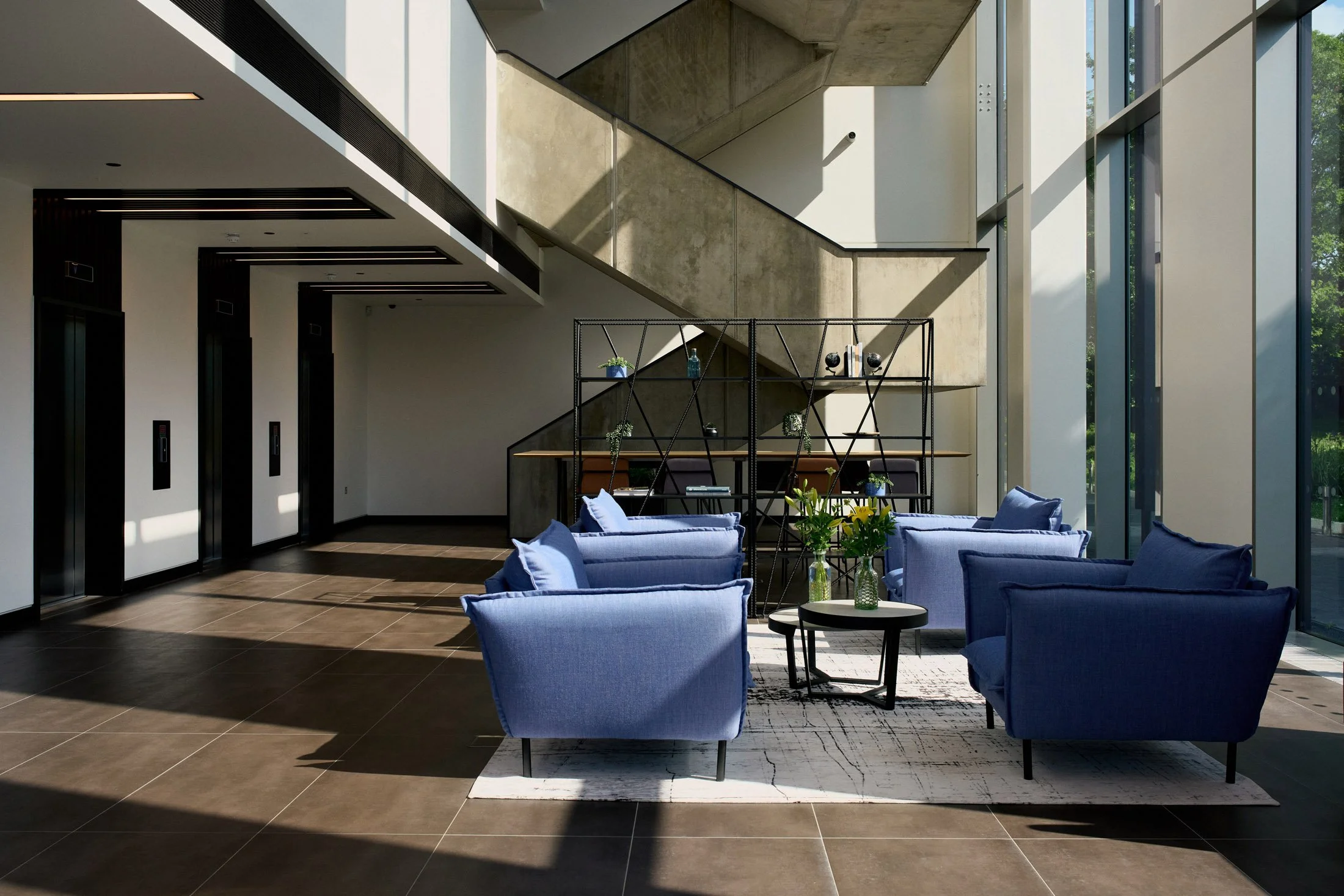


Interior photography in Bristol has evolved into a design-led niche that blends architecture, lifestyle branding and property marketing.
The city’s diverse mix of Georgian townhouses, converted industrial spaces, modern apartments, creative studios, cafés and hospitality venues creates an ideal setting for interior photographers specialising in atmosphere, texture and spatial storytelling. A compelling interior photograph goes beyond mere documentation; it conveys the essence of a space.
In Bristol, photographers including myself focus on:
– Natural light and mood
– Clean architectural lines
– Material textures like timber, concrete, stone and brass
– Styling details that evoke warmth and personality
– Lifestyle-focused compositions that feel lived-in rather than staged
Bristol photographers work across various sectors including residential interiors, boutique hotels, restaurants, Airbnb properties, architects’ portfolios and commercial design projects. The city’s thriving creative economy has fuelled demand for imagery suitable for websites, editorial features, social media and design publications. Publications such as Dezeen, House & Garden and Living Etc frequently feature work from photographers based in the South West.
Bristol’s interior photography also mirrors broader UK design trends:
– Minimalist Scandinavian-inspired interiors
– Sustainable and reclaimed materials
– Warm neutral colour palettes
– Heritage restorations harmonising with modern architecture
For businesses, professional interior photography has become indispensable for marketing. Estate agents, Airbnb hosts, interior designers, architects and hospitality brands leverage high-quality imagery to boost bookings, attract clients and strengthen brand identity. Property-focused photographers in Bristol are increasingly offering drone work virtual tours and cinematic walkthrough videos alongside traditional still photography.
Technically, interior photography demands meticulous control over:
– Perspective correction
– Dynamic range and window exposure
– Colour accuracy
– Balancing artificial and natural light
– Wide-angle composition without distortion
Bristol’s creative culture and distinctive architecture make it one of the UK’s most visually interesting cities for interior photography. This is particularly appealing to photographers who enjoy combining documentary realism with editorial aesthetics.
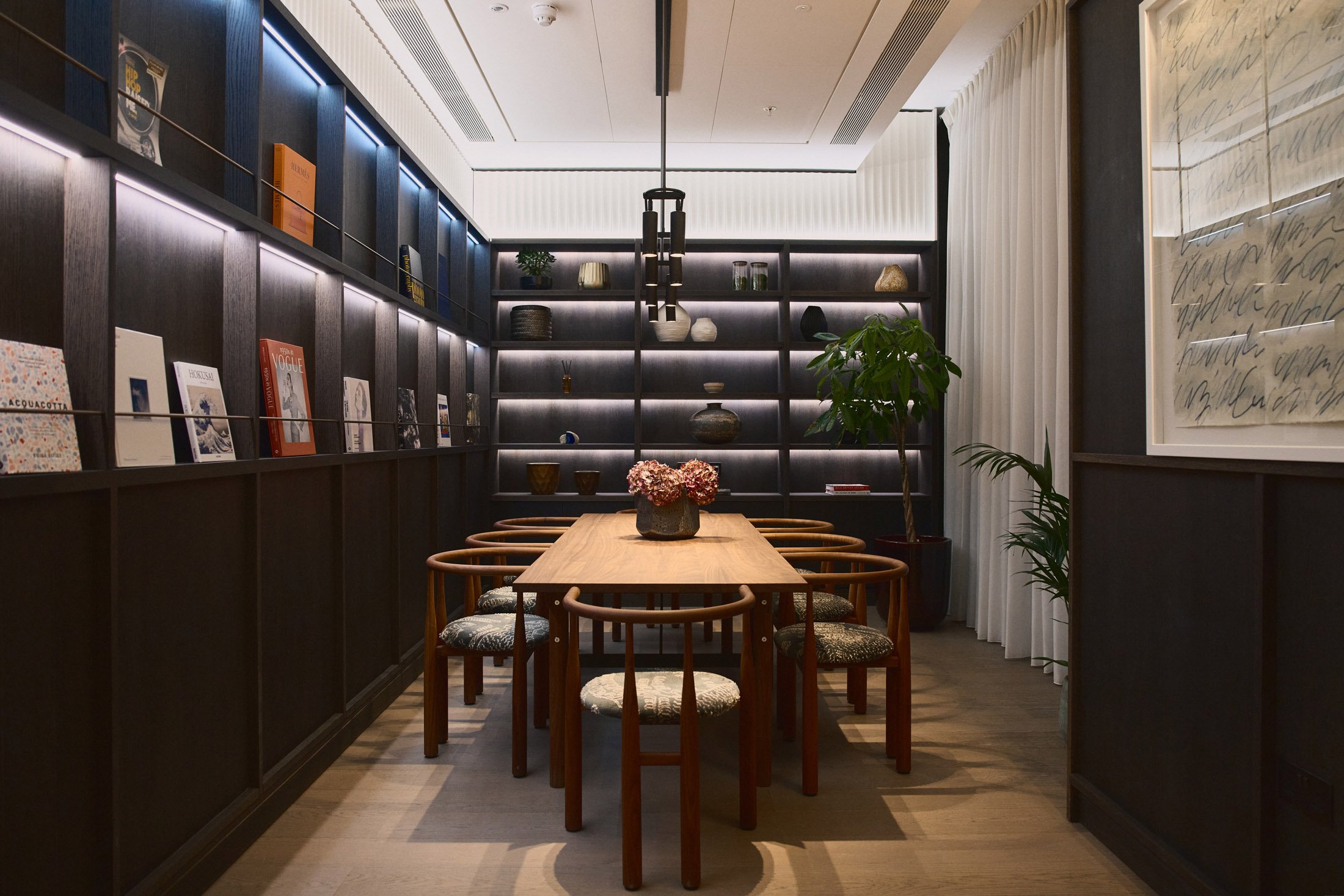
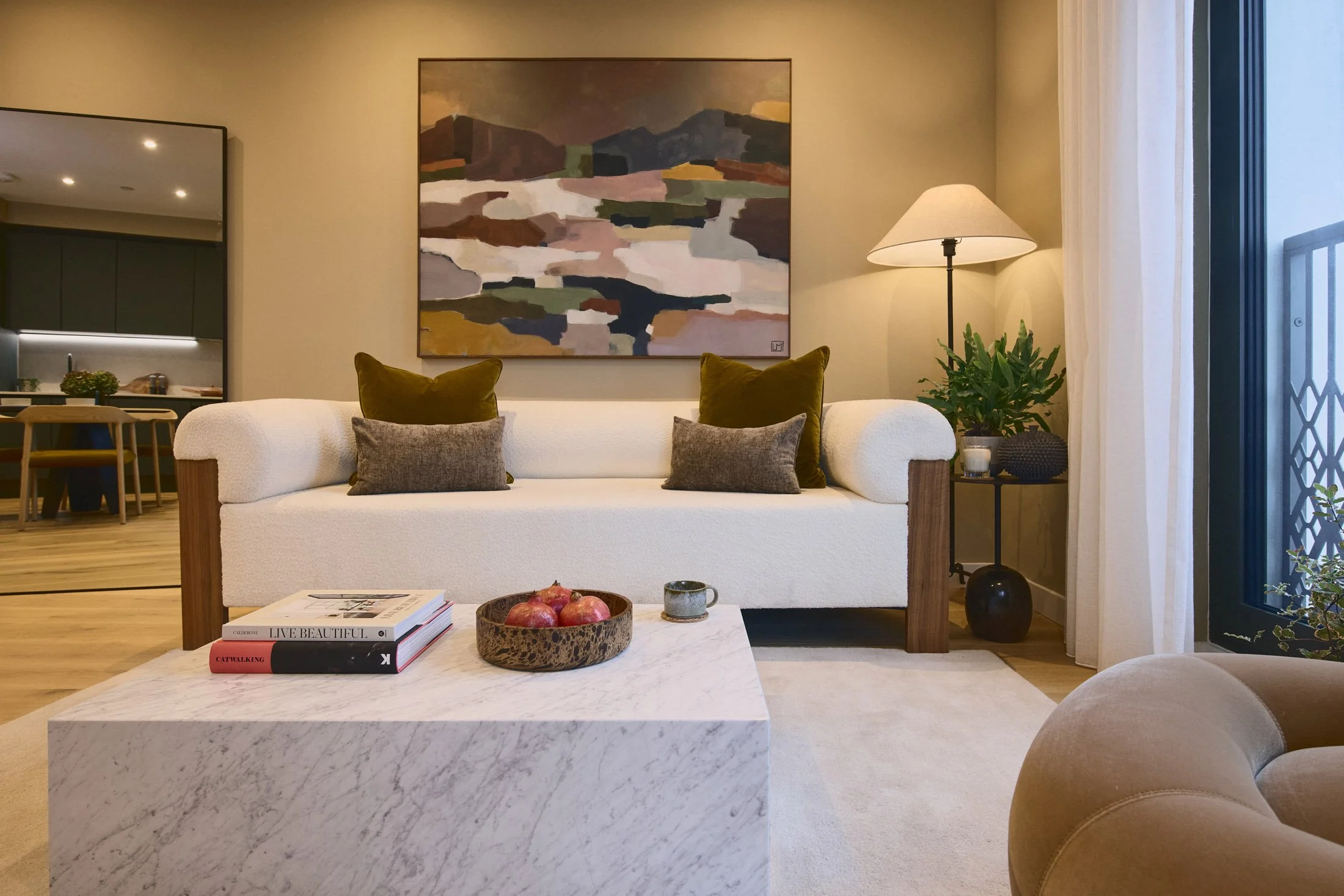
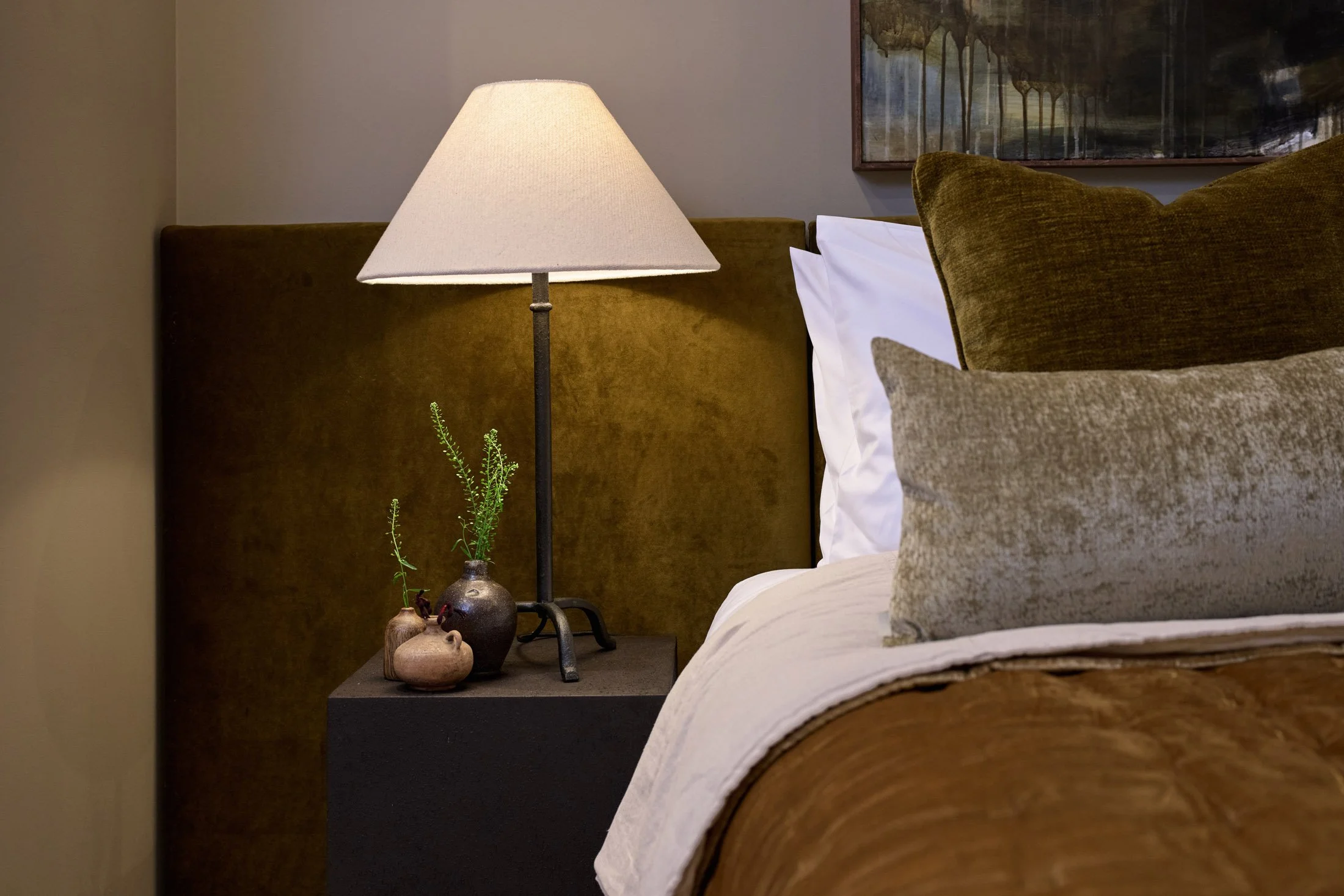
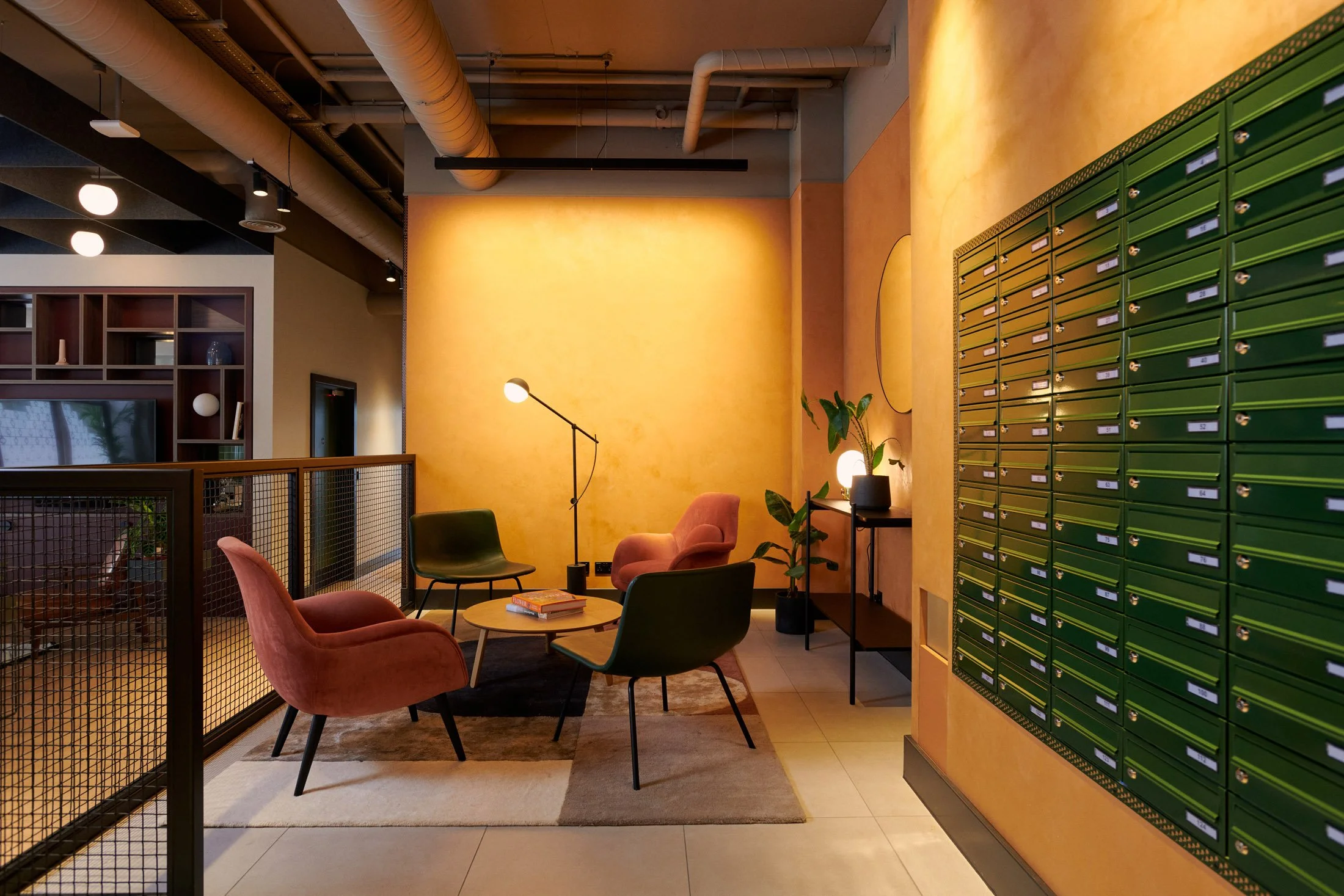
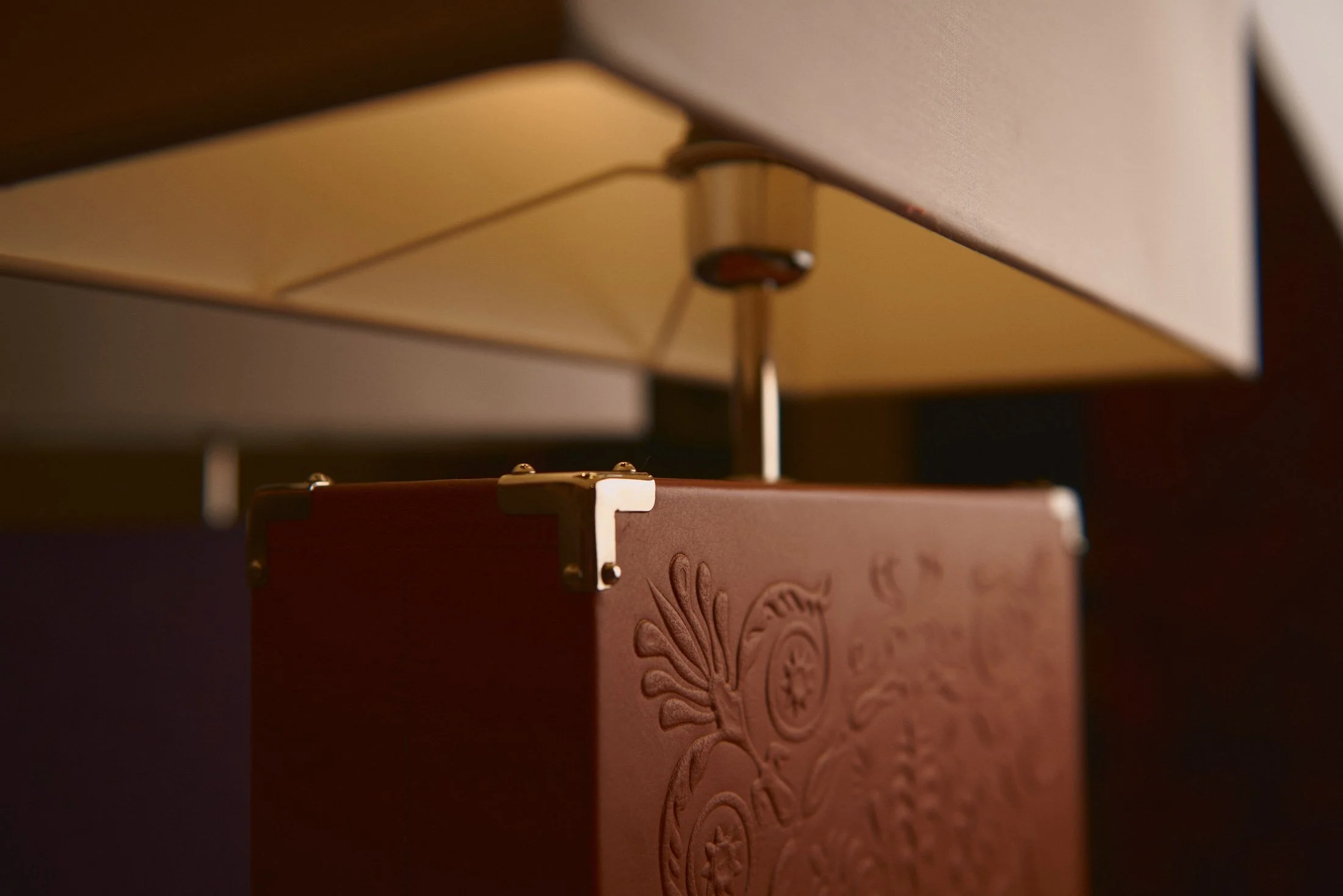
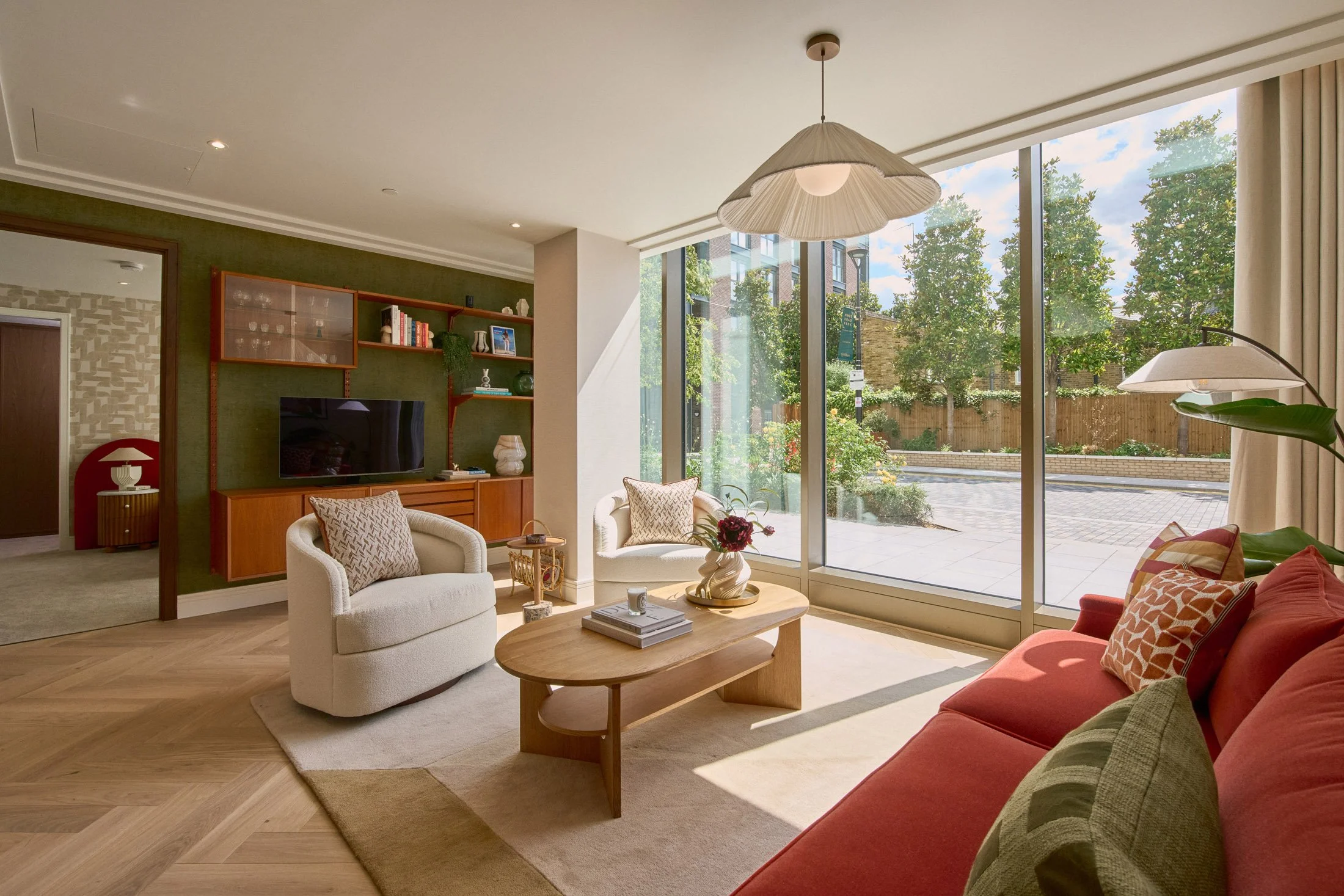
Below are some key tips and techniques I use to achieve the best interior photography for my clients
Lighting
Natural light: Make use of natural light wherever possible. Open curtains and blinds to let in daylight. Soft, diffused light from windows often creates the most flattering effect.
Artificial light: Use lamps, pendant lights, and overhead fixtures to add warmth and interest. Consider using external lights or flashes to fill in dark areas, but be cautious not to overexpose or create harsh shadows.
Avoid overexposure: Try to balance the light inside the room with the natural light outside the windows. A high dynamic range (HDR) technique can help capture both bright and dark details effectively.
Good composition
Wide angle: Use a wide-angle lens (usually between 16mm and 24mm for full-frame cameras) to capture more of the space. Ensure that you don't distort the lines, especially verticals like walls, doors, and windows.
Symmetry and lines: Pay attention to the lines in the space. Symmetry can create balanced, aesthetically pleasing compositions. Try to align furniture and architectural details with the frame for a clean, organized shot.
Rule of thirds: Divide your frame into thirds horizontally and vertically to guide the placement of key elements in the room. This can help create a more engaging and balanced image.
Accent items: Add small decorative elements like plants, books, or artwork to give the room life without overwhelming the shot.
Furniture placement: When photographing larger rooms, consider the placement of furniture. Avoid overcrowding the space, and try to highlight the room's flow and functionality.
Types of interior photography
Property photography: This style focuses on showcasing the entire home or apartment to potential buyers. Clean, wide-angle shots and clear, well-lit images are essential.
Architectural photography: Emphasises the design elements of a space. Here, sharpness, symmetry, and showcasing unique features (like arches, windows, or light fixtures) are important.
Lifestyle interior photography: More about storytelling, this approach includes people interacting with the space. It often captures a feeling of warmth, coziness, or luxury in a real-world context.
Editorial/design photography: Often seen in magazines or design blogs, this type of interior photography highlights aesthetics and design trends, typically with a more artistic and stylised approach.
Interior photography can be both challenging and rewarding, and mastering it takes practice. Each space is unique, and getting to know the room's best angles, lighting, and atmosphere can take your photos from good to great.


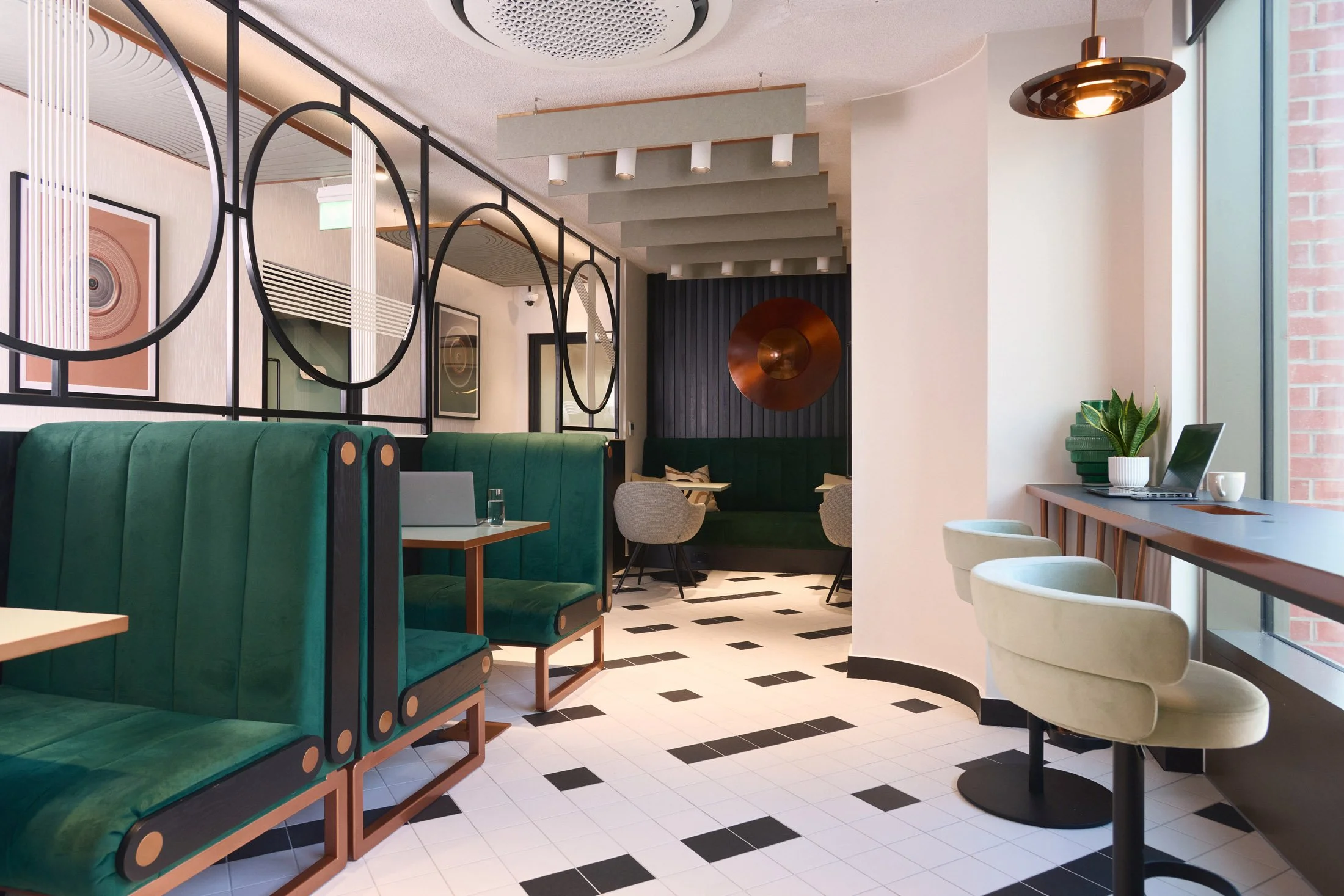
Below are some key tips and techniques I use to achieve the best interior photography for my clients
Lighting
Natural light: Make use of natural light wherever possible. Open curtains and blinds to let in daylight. Soft, diffused light from windows often creates the most flattering effect.
Artificial light: Use lamps, pendant lights, and overhead fixtures to add warmth and interest. Consider using external lights or flashes to fill in dark areas, but be cautious not to overexpose or create harsh shadows.
Avoid overexposure: Try to balance the light inside the room with the natural light outside the windows. A high dynamic range (HDR) technique can help capture both bright and dark details effectively.
Good composition
Wide angle: Use a wide-angle lens (usually between 16mm and 24mm for full-frame cameras) to capture more of the space. Ensure that you don't distort the lines, especially verticals like walls, doors, and windows.
Symmetry and lines: Pay attention to the lines in the space. Symmetry can create balanced, aesthetically pleasing compositions. Try to align furniture and architectural details with the frame for a clean, organized shot.
Rule of thirds: Divide your frame into thirds horizontally and vertically to guide the placement of key elements in the room. This can help create a more engaging and balanced image.
Accent items: Add small decorative elements like plants, books, or artwork to give the room life without overwhelming the shot.
Furniture placement: When photographing larger rooms, consider the placement of furniture. Avoid overcrowding the space, and try to highlight the room's flow and functionality.
Have a project in mind?
To discuss a project, arrange a meeting or view my portfolio please contact me on +44 (0)7956 902 509
or by email at mail@davidhares.com