

Corporate Photographer Bristol
Hello, I’m David, a corporate photographer based just outside Bristol. For the past two decades, I’ve had the privilege of working with leading businesses, executives, law firms, and creative professionals in Bristol and across the UK and internationally. I’m trusted by design and advertising agencies, as well as FTSE 100 clients, for my reliability and ability to consistently deliver powerful images under tight deadlines.
My expertise encompasses corporate portraits, corporate headshots, corporate events, office and work environments, lifestyle photography, and bespoke brand imagery. I’m renowned for creating high-quality, impactful photographs that truly reflect the unique character and ambition of each client. Whether you’re seeking to elevate your company’s visual presence or make a lasting first impression, as a corporate photographer in Bristol, I can offer tailored solutions that seamlessly align with your business goals.
Previous clients
Aston Martin, BBC, British Gas, Bupa, Canary Wharf Group, Cancer Research UK, De Beers Group, Diageo Plc, Halifax Bank, Heathrow Airport Ltd, InterContinental Hotels Group, John Lewis Partnership, Land Securities, Lloyds Banking Group, Marylebone Cricket Club, NHS, PPHE Hotel Group, Rolls Royce, Severn Trent Water, Sport England, Tate & Lyle, Technicolor, The Guardian, Vodafone.

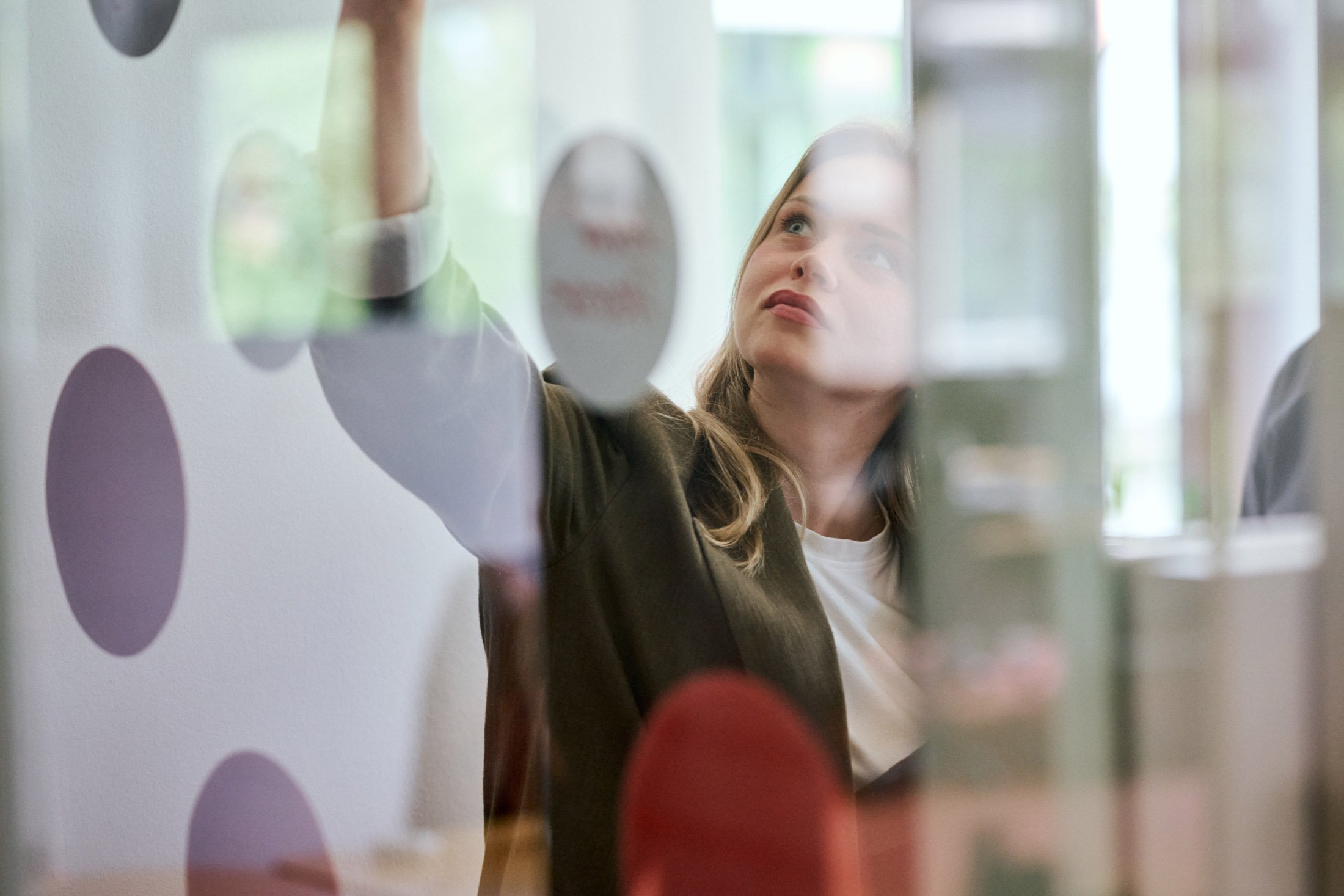
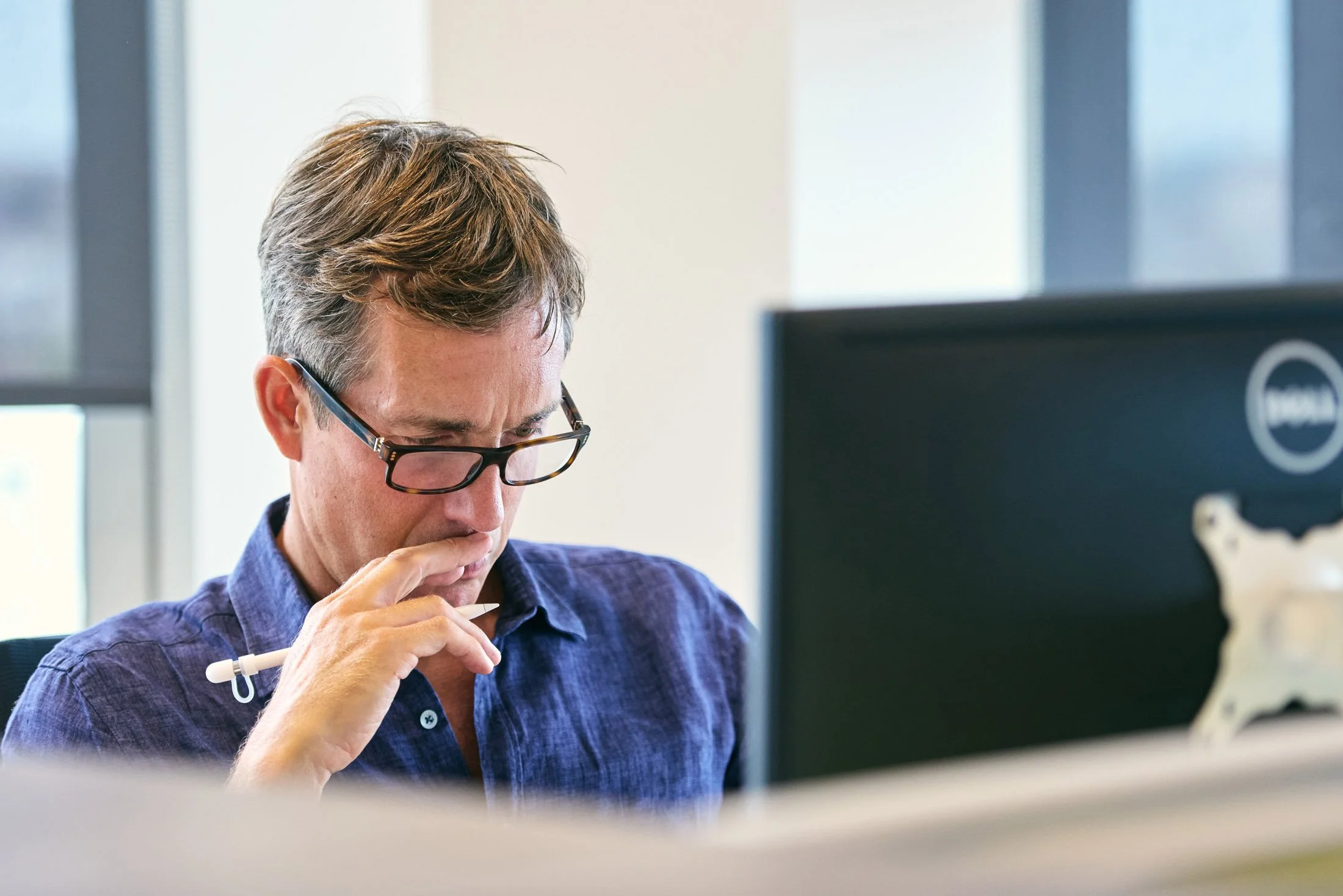

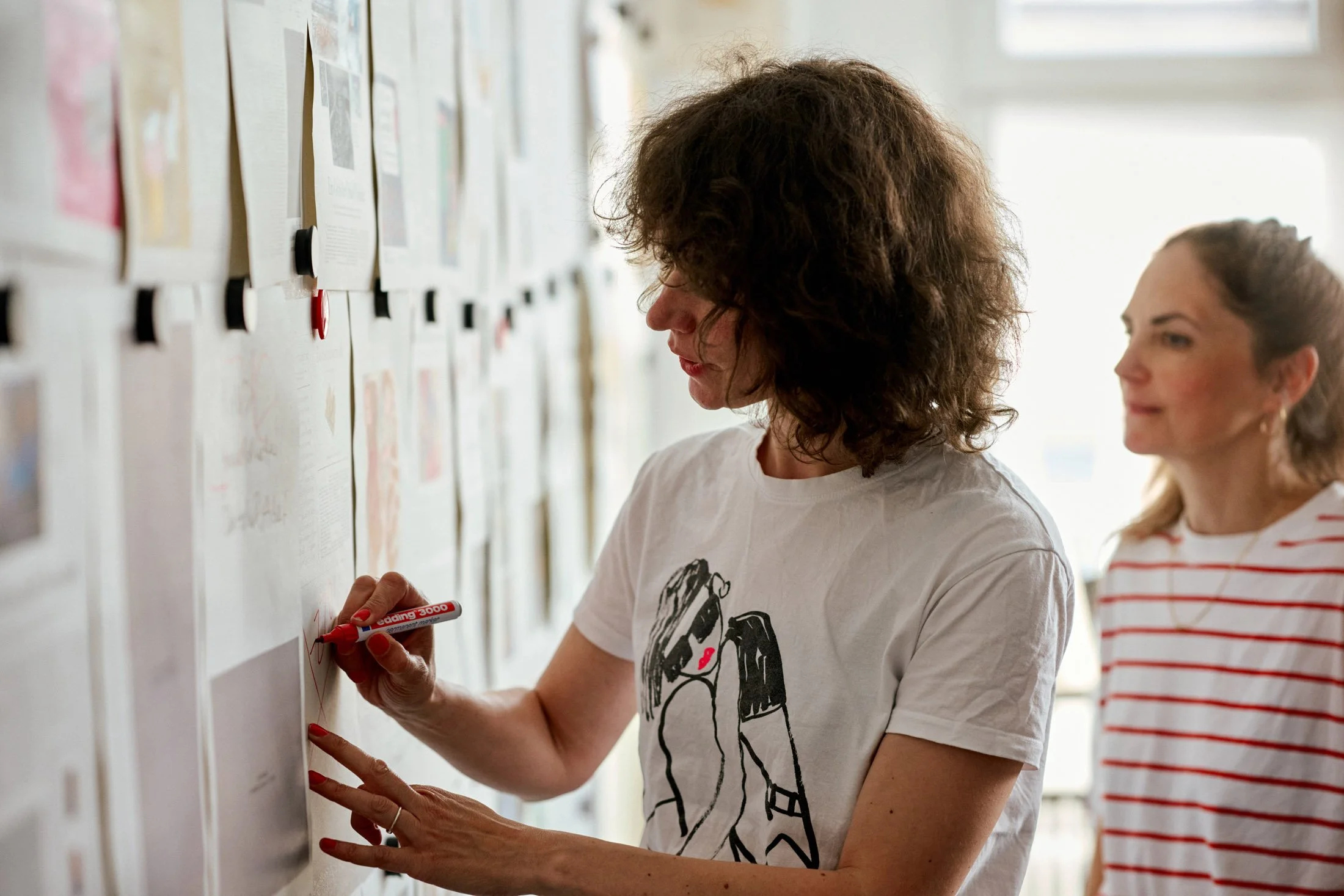

My experience as a corporate photographer Bristol
I’ve had the pleasure of working on a diverse range of photography commissions across the UK, Europe, and globally. My work has included advertising photography, brand image libraries, corporate reporting and communications, lifestyle campaigns, and more. Below are some examples of the types of work I’ve been commissioned to photograph:
– Advertising photography
– Annual report photography
– Brand photography for companies and businesses
– Business portraits and corporate headshots
– Event photography for business and sports
– Lifestyle photography for branding and advertising
– Property and interior photography
– Hotel, restaurant and food photography
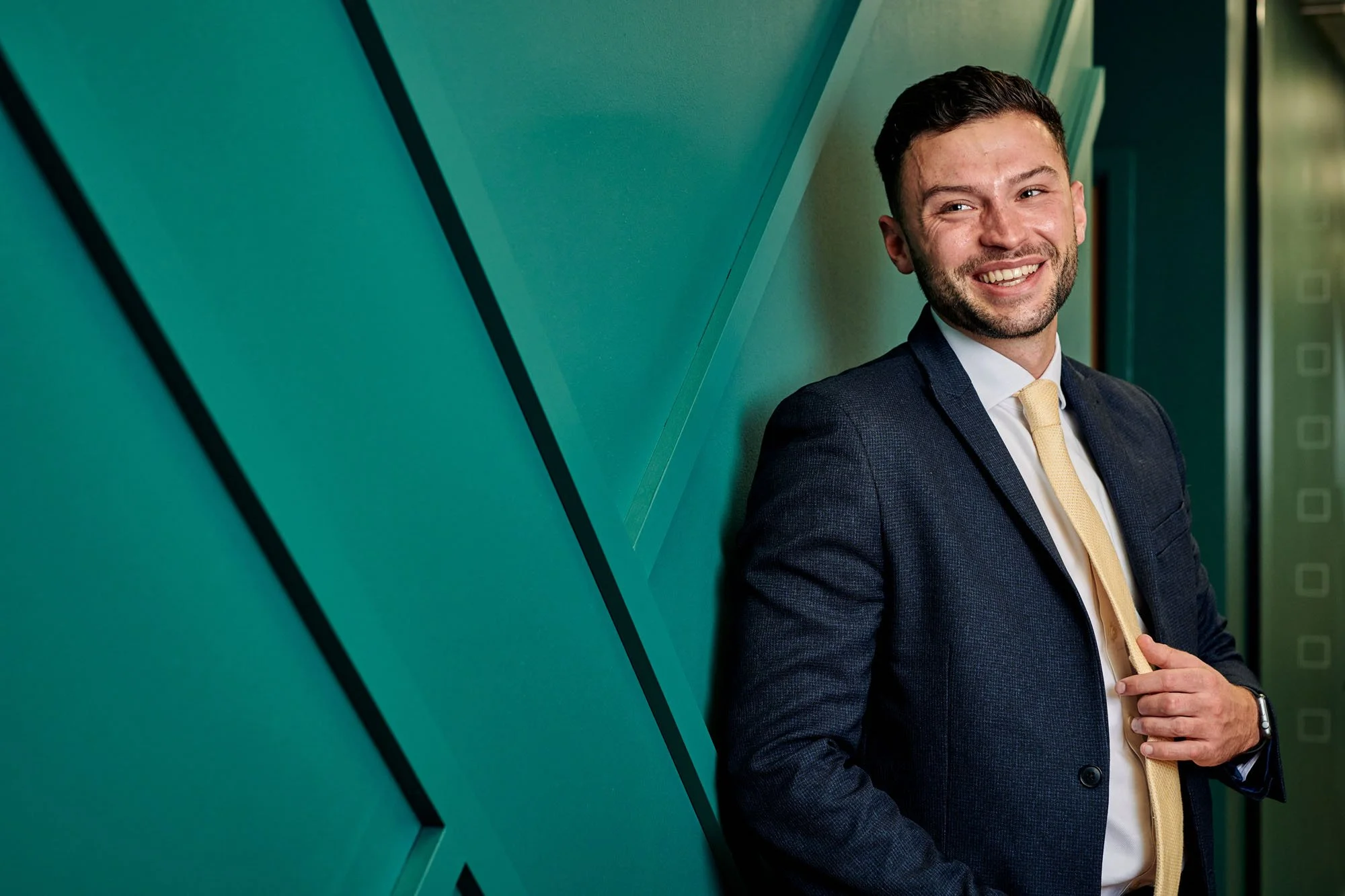


Annual report photography
Annual report photography plays a crucial role in visually communicating a company’s performance, achievements, and brand identity. Whether capturing images of key executives, employees, products, or corporate facilities, the photography should align with the report’s tone and message. Here are some key considerations and tips for successful annual report photography by a corporate photographer in Bristol:
Understand the company’s brand
The photos should align with the company’s values, industry, and culture. For example, a tech company may want sleek, modern images, while a nonprofit may prefer more human-centric, emotional shots.
Determine whether the annual report will be formal, celebratory, or forward-looking.
Key photography types
Executive portraits: High-quality, professional headshots of the leadership team are essential. These portraits should be simple yet convey authority, approachability, and professionalism. Consider environmental portraits for added context (e.g., in their office or at a corporate event). If this isn’t possible, a white, grey, or coloured background makes a perfect choice.
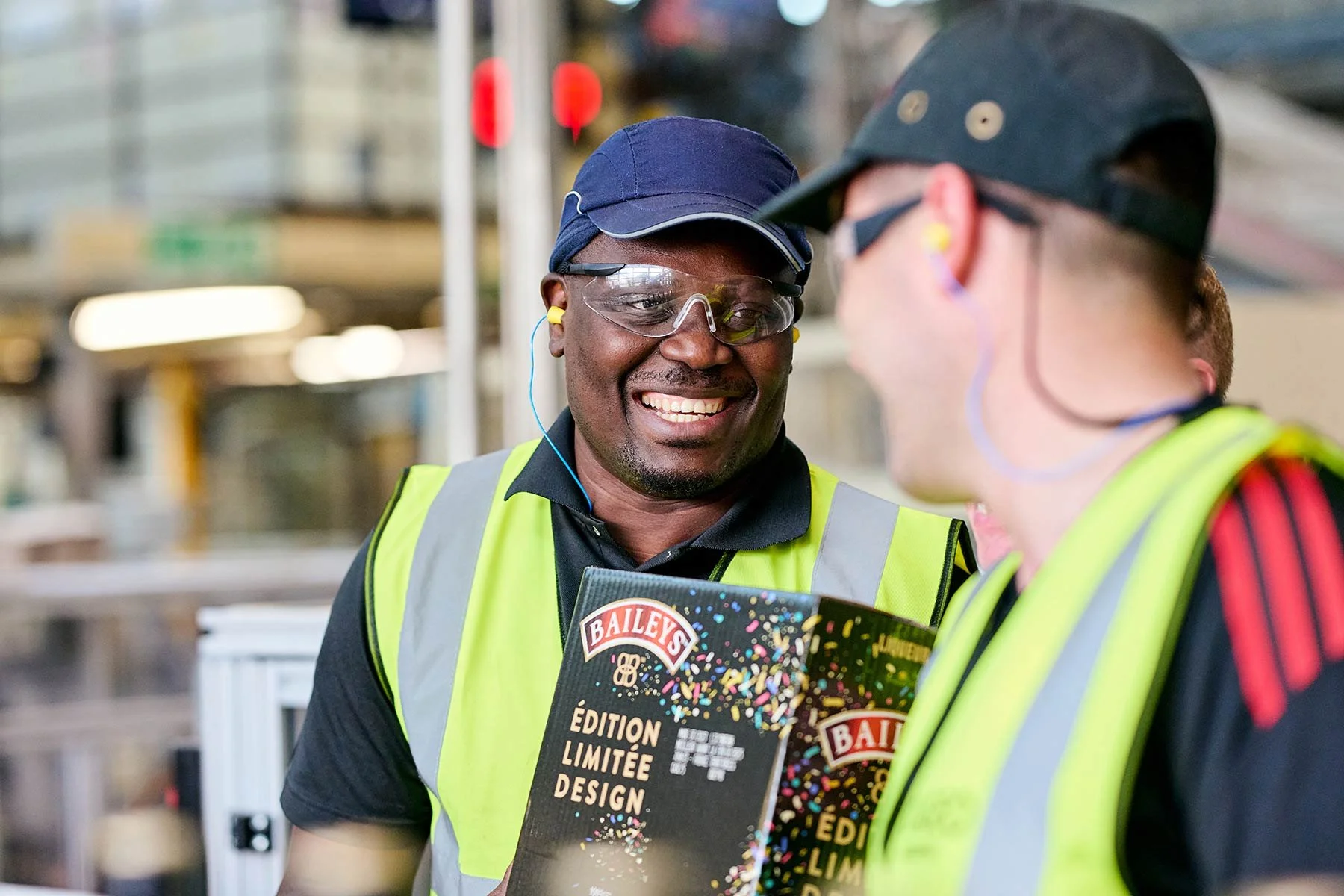
Employee shots: Candid or staged images of employees at work can illustrate the company culture and showcase diversity and teamwork.
Product photography: If the company sells products, high-quality images of these products are crucial. These should be well-lit, clear, and often shot from multiple angles to highlight key features.
Facilities and operations: Images of the company’s workspace or production facilities help visually communicate the scale and capabilities of the business.
Sustainability/CSR: If the company has social responsibility or sustainability initiatives, photos illustrating these efforts (e.g., community outreach, green initiatives) should be included.
Consistency
Ensure that all photography aligns with the overall tone and message of the annual report. A professional corporate photographer in Bristol ensures a consistent visual style throughout the report. This includes colour grading, focal length, depth of field, and framing techniques. Using similar tones and moods across photos creates a cohesive look, whether it’s portraits, products, or lifestyle shots.
When possible, shoot in locations that convey the company’s environment or culture. A company’s headquarters, manufacturing facility, or community service location can serve as powerful backdrops. If photographing individuals, choose clean, uncluttered backgrounds to keep the focus on the subject.
Involve employees in the photography process. This adds authenticity and helps build a sense of pride within the company. It also shows the people behind the brand, making the company feel more relatable to readers.
Ensure that the images reflect the company’s commitment to diversity and inclusion, representing people of different backgrounds, ages, and genders.
Effective annual report photography helps tell a company’s story in a visually engaging way, building trust and credibility with stakeholders. Well-executed images not only enhance the report’s aesthetic but also support key messages, making them a powerful tool for communication.




Corporate brand photography
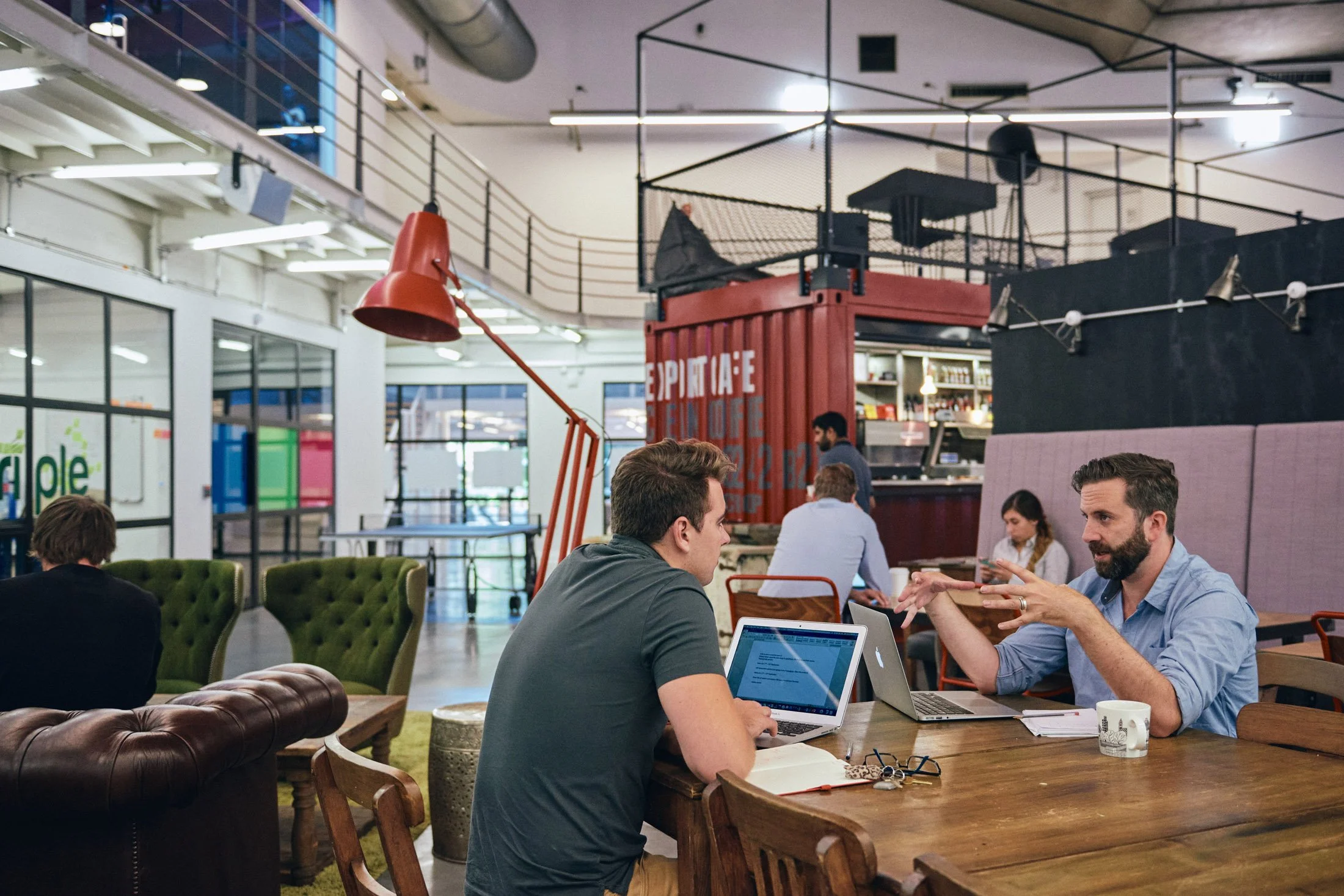
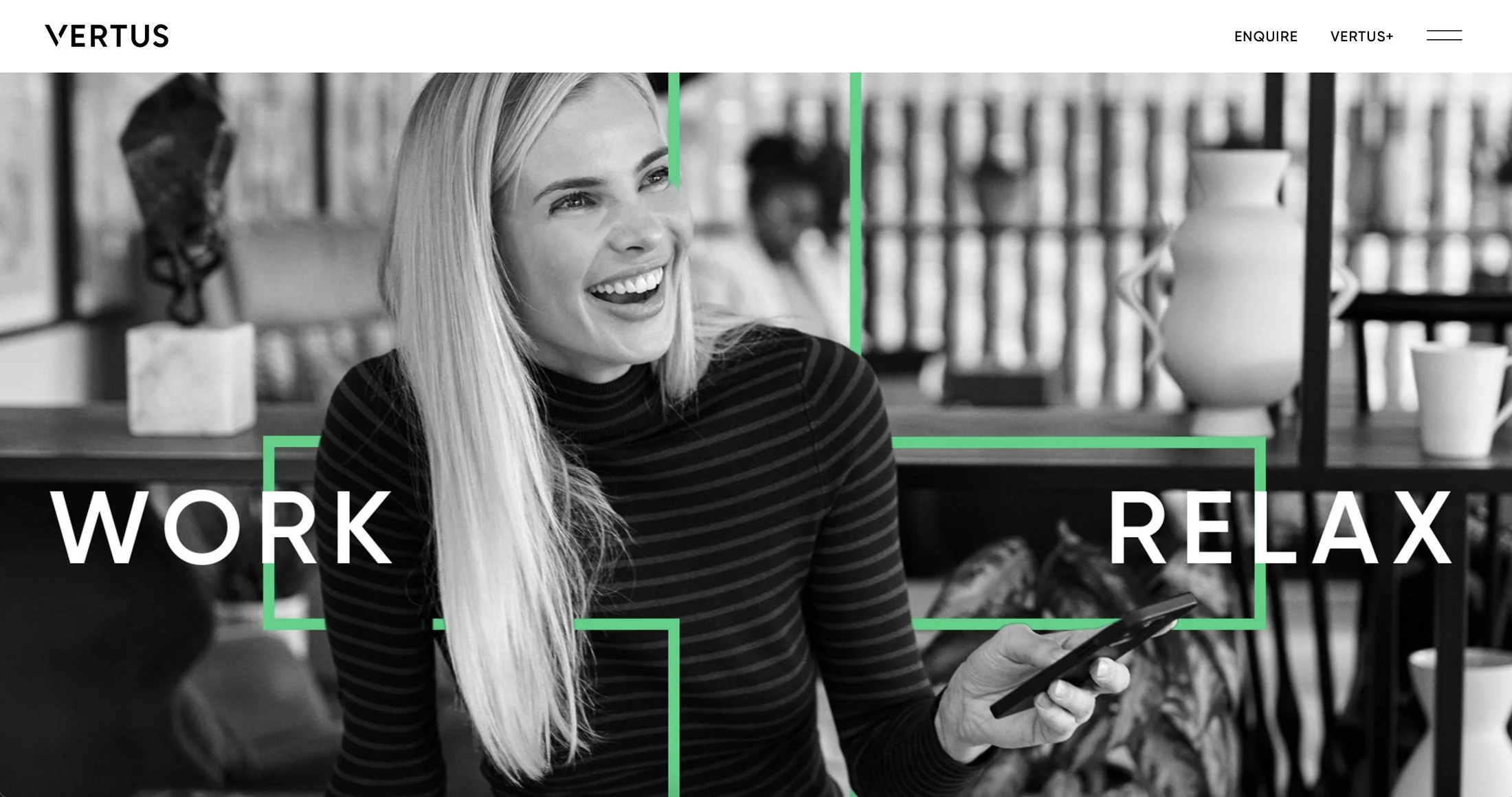
Corporate brand photography is a visual style that captures the essence, personality, and identity of a brand or business. It aims to create images that convey the brand’s key message, values, and story, connecting with its target audience across various marketing materials, social media, websites, and advertisements.
Here are some key components of brand photography:
Brand Identity: Brand photography is rooted in understanding the brand’s mission, values, and personality. The photos should reflect these elements to create a cohesive and recognisable visual identity.
Style and Aesthetic: Every brand has a unique style, whether it’s minimalistic, vibrant, earthy, or luxurious. The aesthetic of the photos should align with the overall look and feel of the brand.
Target Audience: Knowing the audience influences how photos are composed, styled, and shot. For example, photos for a high-end fashion brand will differ greatly from those for an eco-friendly product line.
Consistency: Consistent photography helps create a visual language that is instantly recognisable. This includes consistent colour schemes, lighting, and styling that align with the brand’s overall aesthetic.
Storytelling: Brand photography often tells a story, whether it’s about the product, the people behind the brand, or the lifestyle they promote. Storytelling images create emotional connections with the audience.
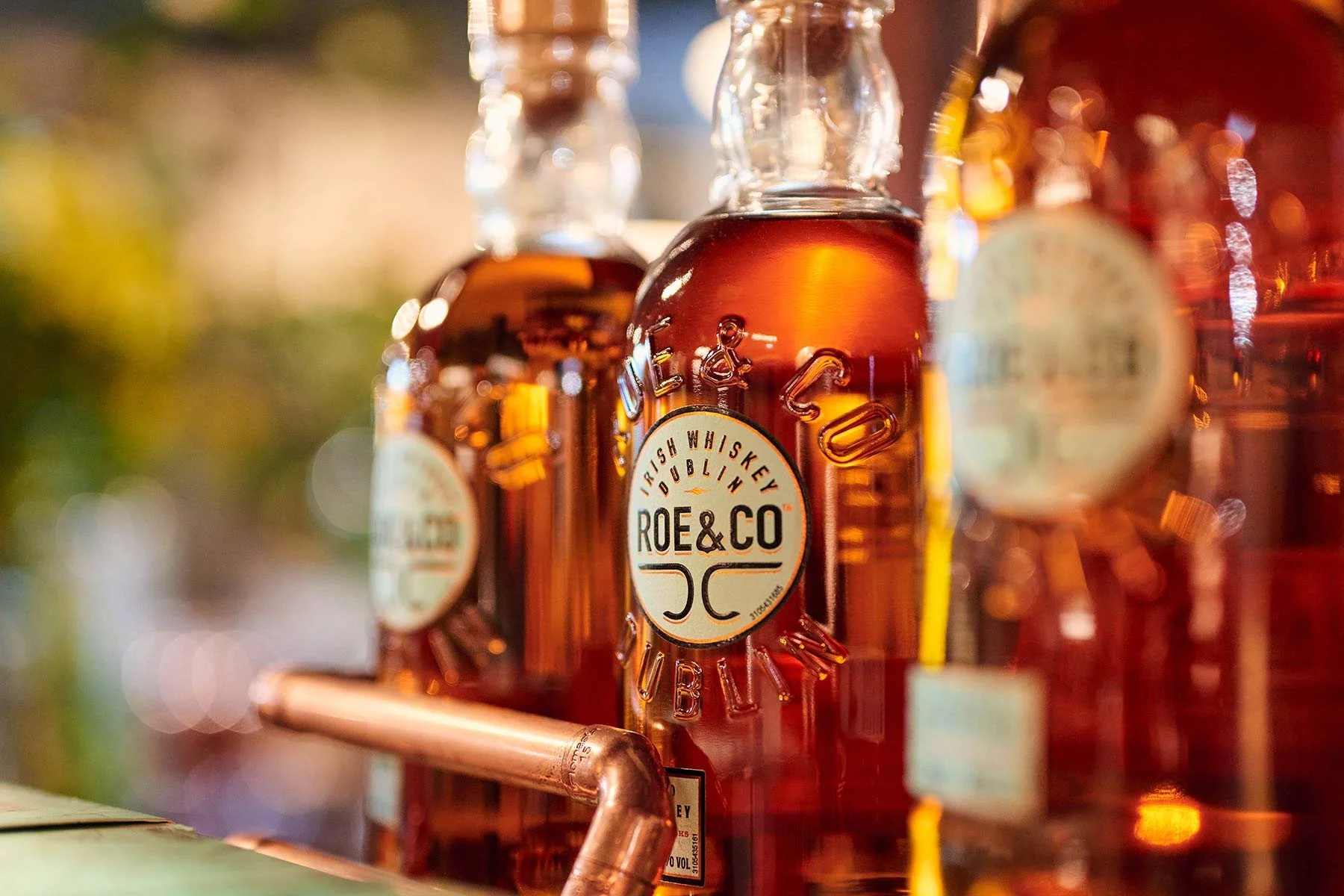
Product Shots: High-quality, well-lit images of products are a staple of brand photography, helping to showcase their features, benefits, and unique selling points.
Lifestyle Photography: This type of photography shows products in action, often in a real-life setting. It’s designed to connect with the audience by showcasing how the brand fits into their daily lives or aspirations.
Brand Personality: Whether it’s playful, professional, edgy, or luxurious, brand photography should match the brand’s personality. Each photo should communicate the tone of voice and overall feeling the brand wants to evoke.

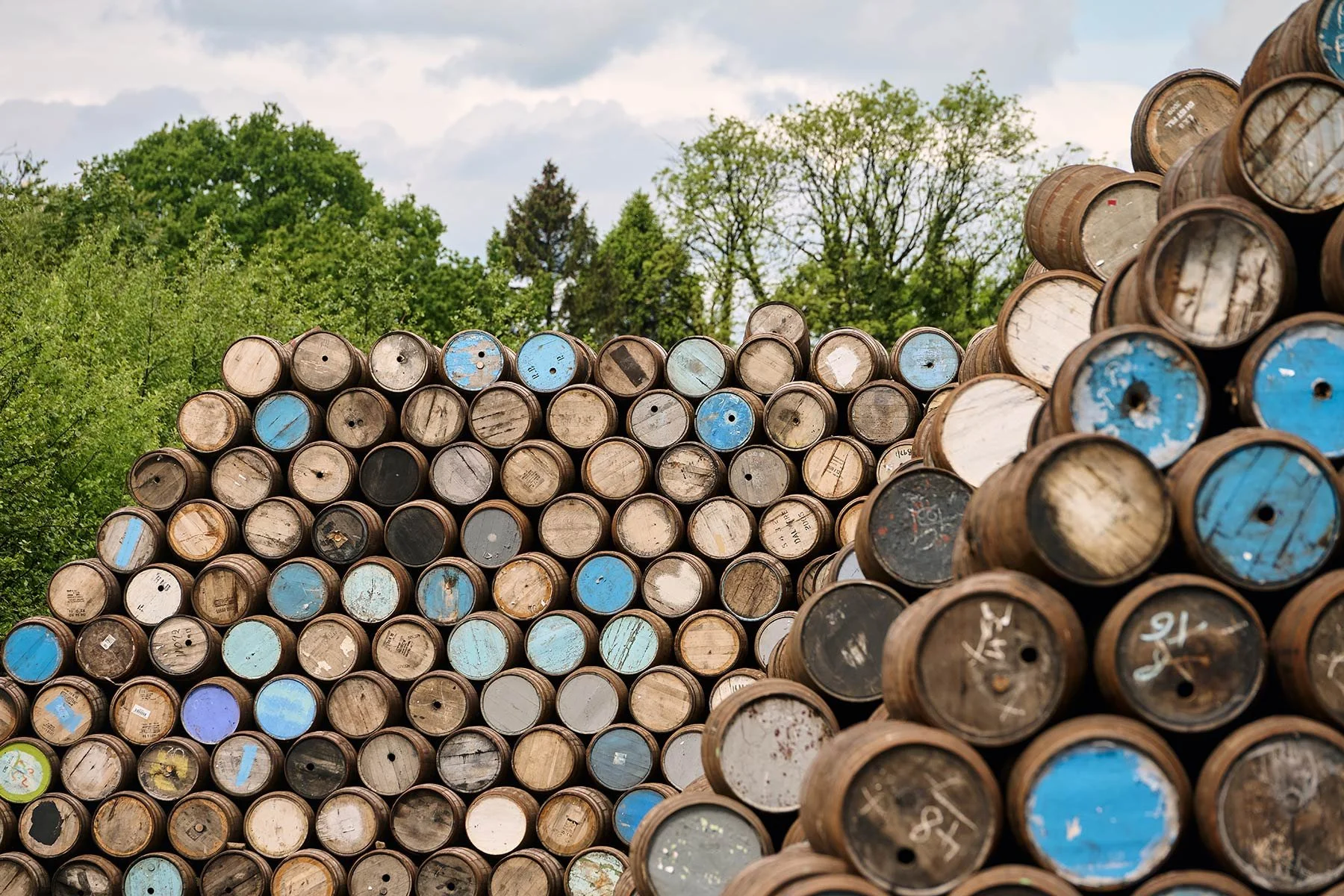
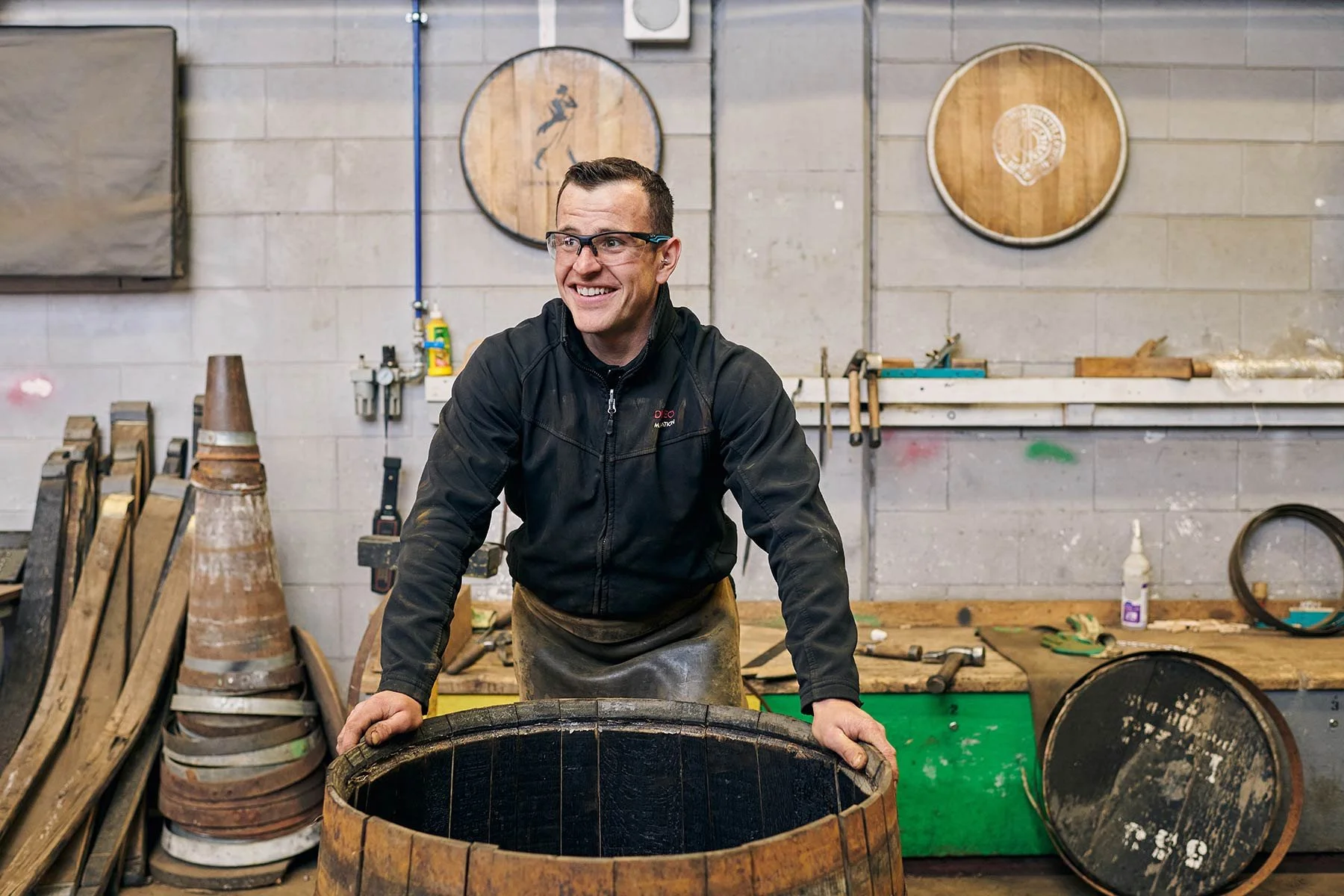
Corporate event photography
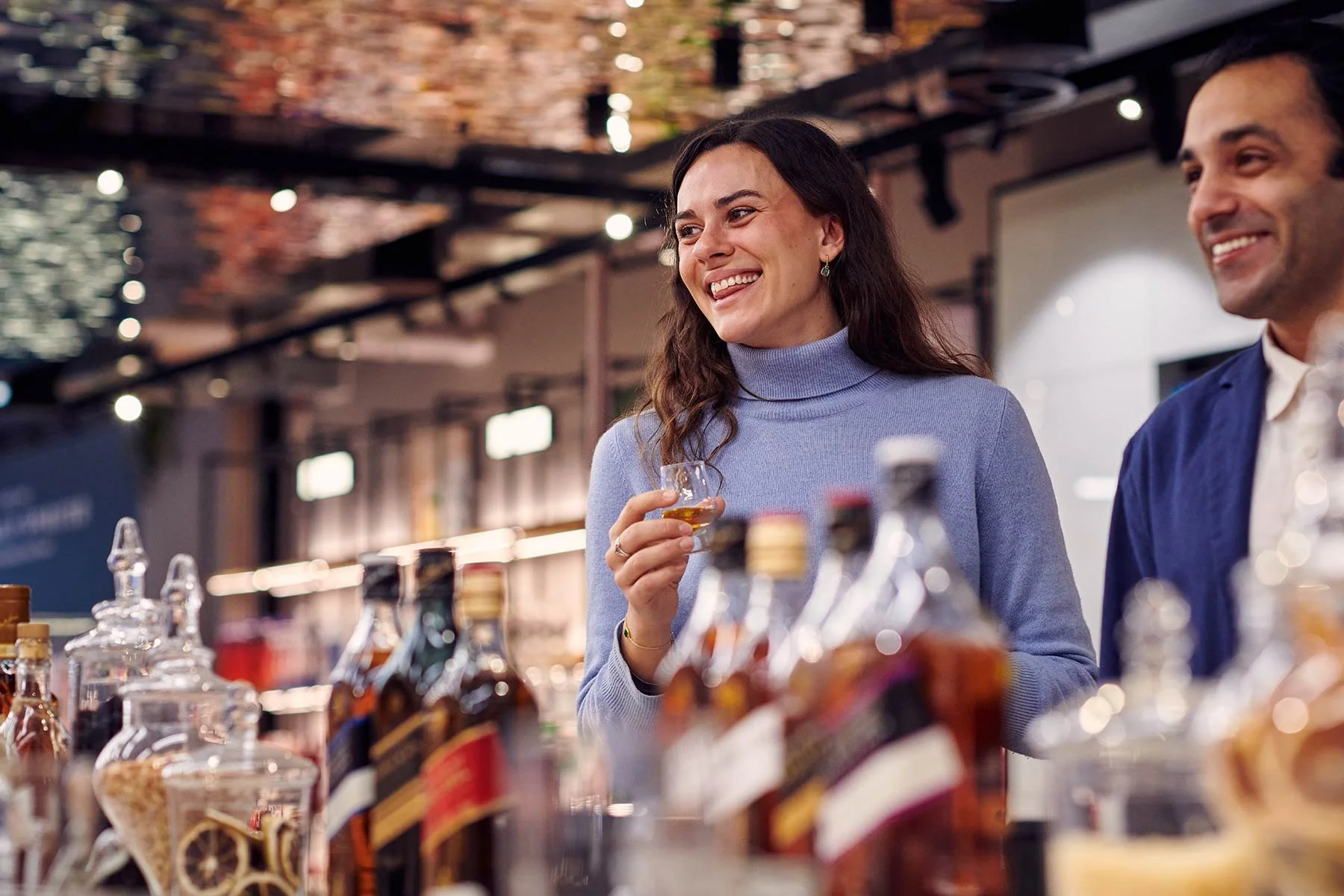
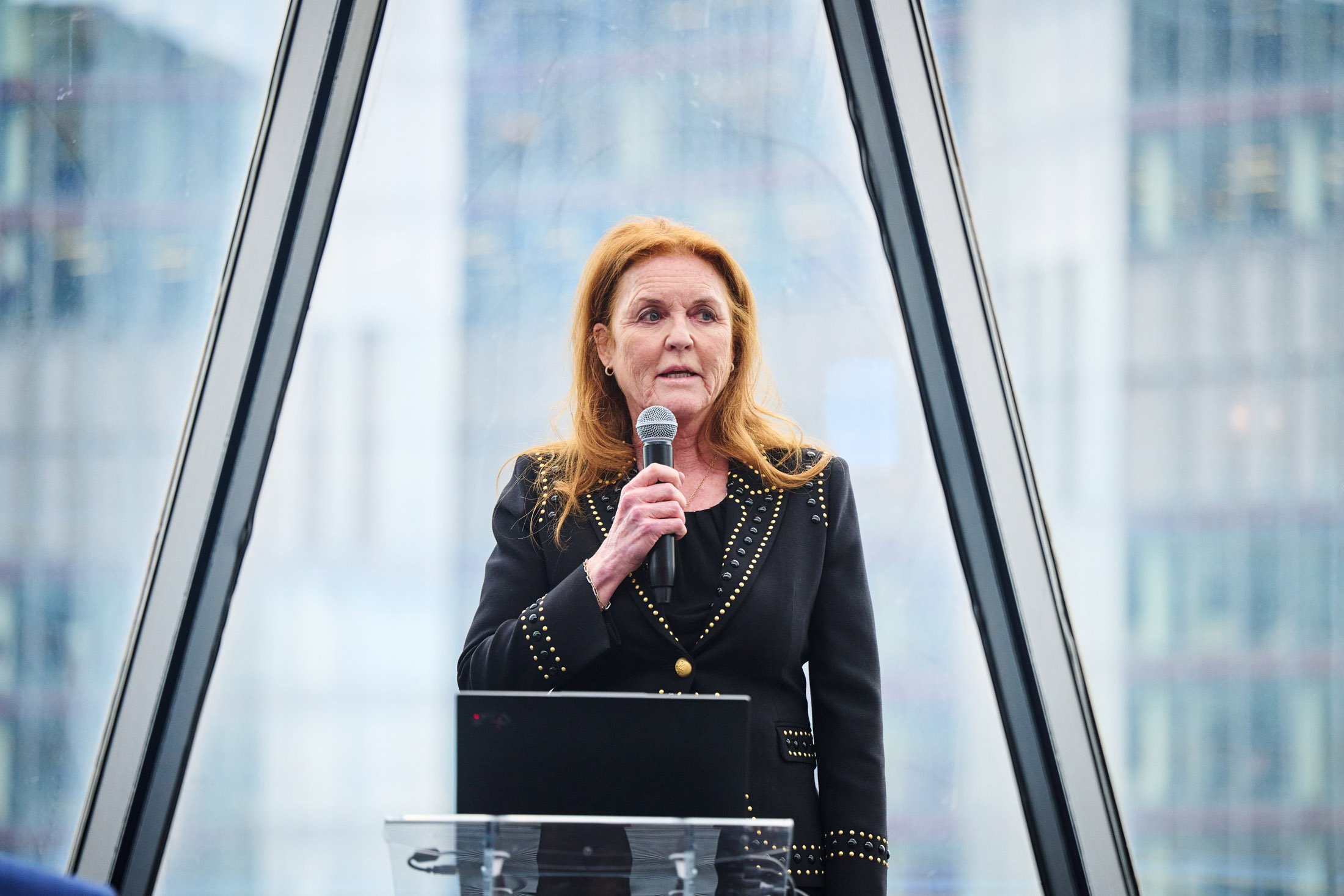
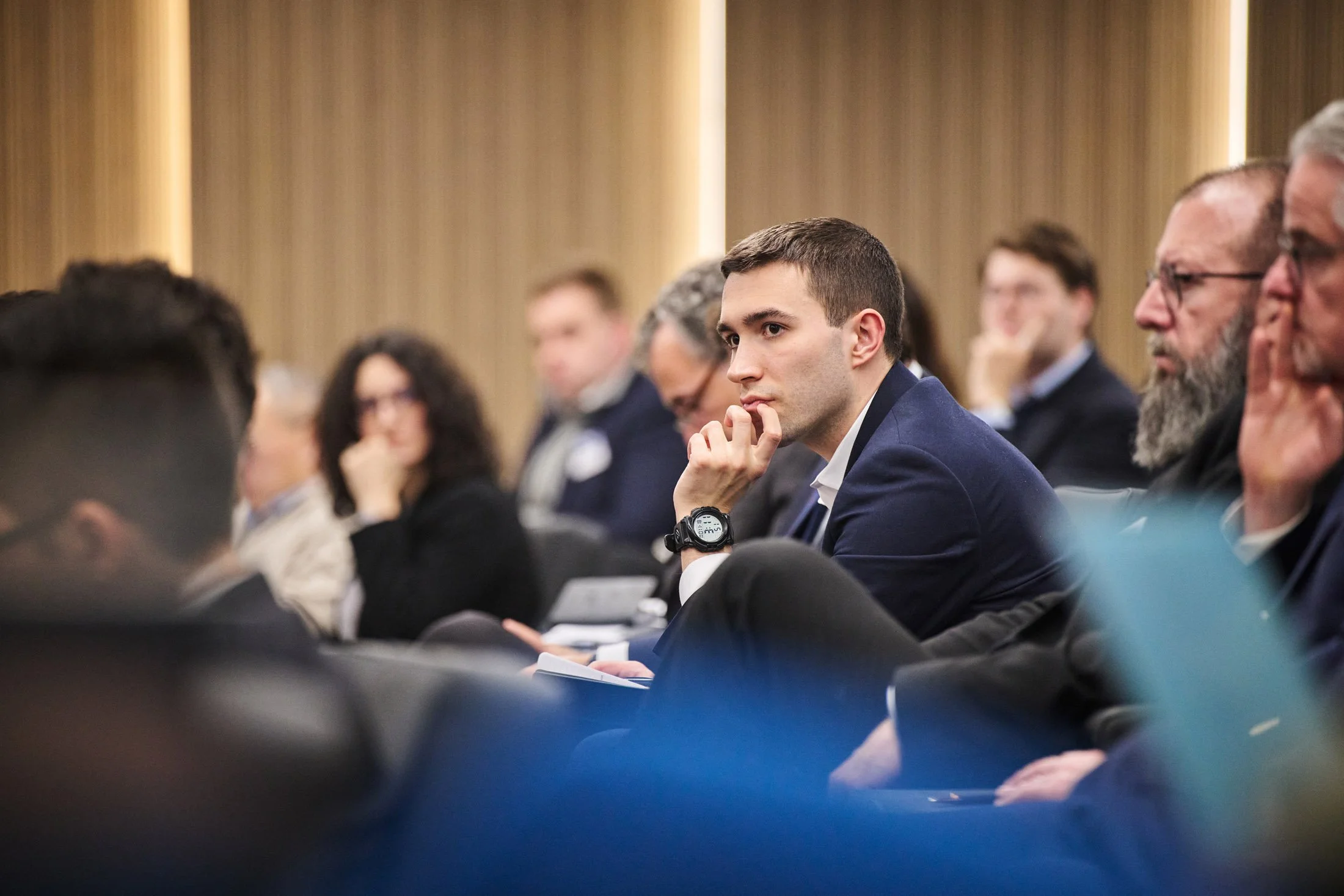
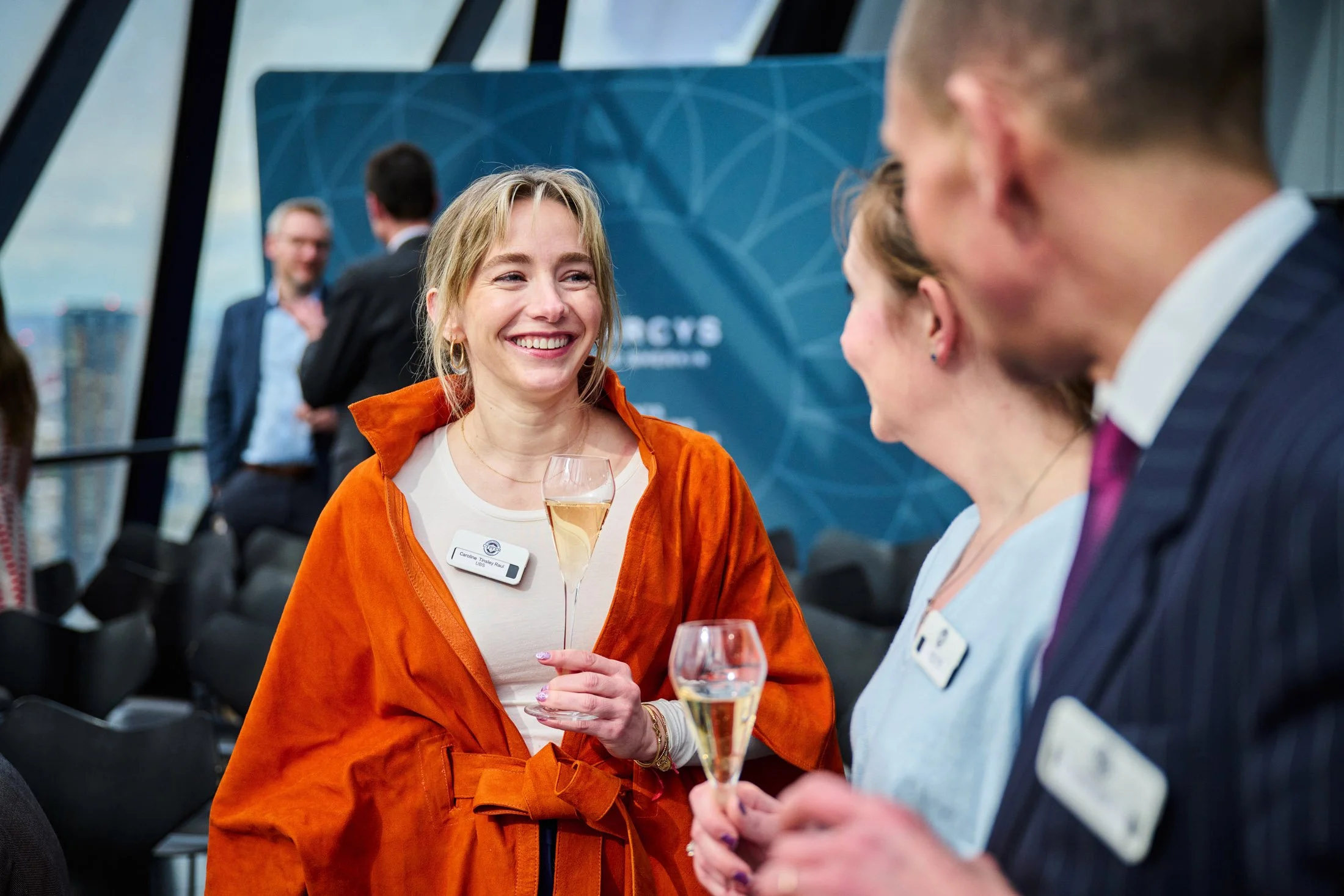
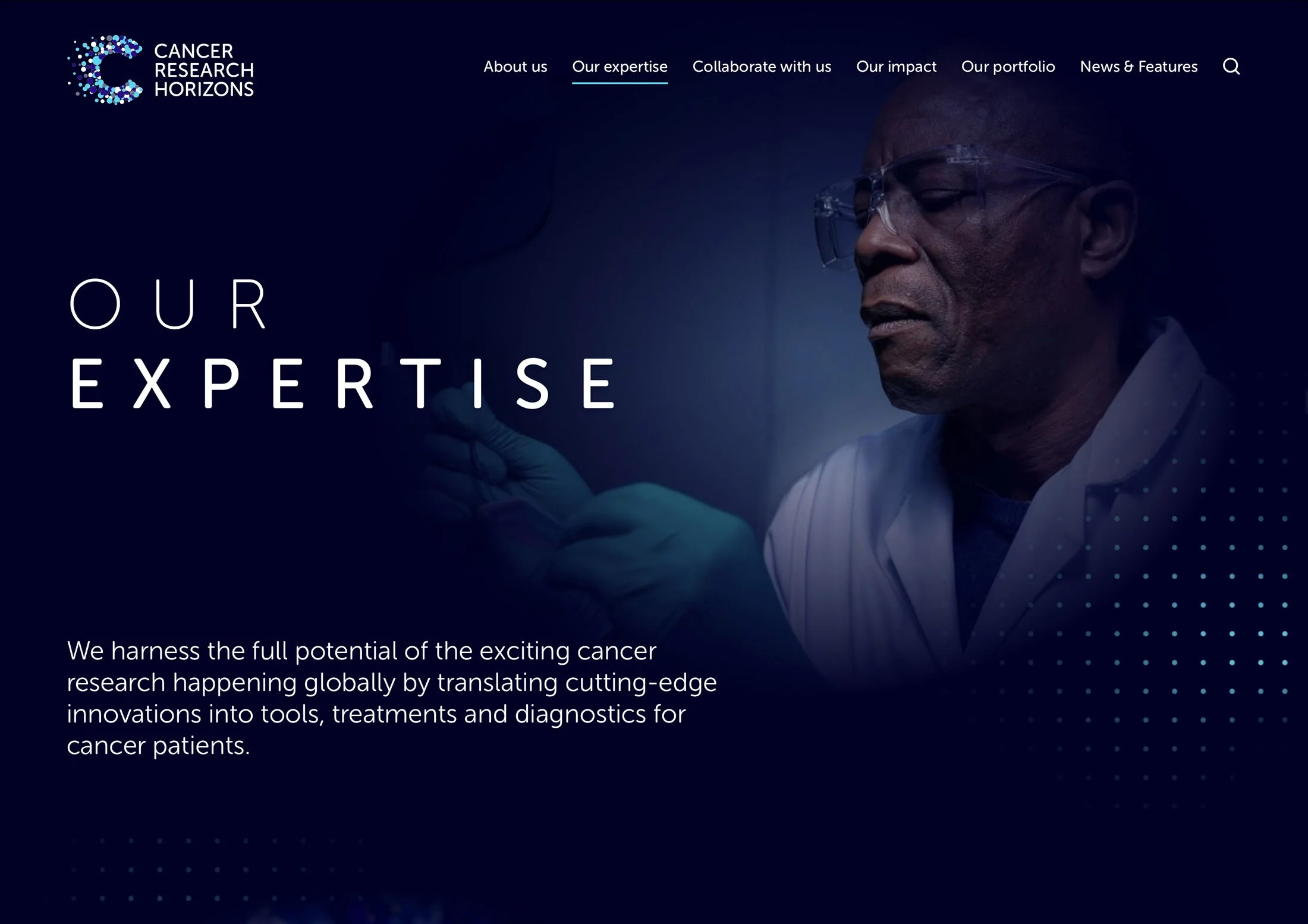
Corporate event photography is a specialised form of photography that captures moments at business-related events. These events include conferences, seminars, trade shows, product launches, corporate parties, team-building events, and more. The images captured are used for various purposes, such as marketing, public relations, social media, and internal communications.
Here are some key aspects of corporate event photography::
Planning and preparation
A corporate photographer in Bristol must have a clear understanding of the event’s goals, key moments, and the target audience. Whether it’s a formal conference or a casual networking event, each setting requires a different approach.
Schedule and timeline: The event organiser will understand the timeline, key moments to capture (e.g., keynote speakers, group photos, awards ceremonies), and special instructions (e.g., no photos of certain individuals or specific branding requirements).
The venue and location: Arriving early to scout the location is important. Understanding lighting conditions, layout, and possible backgrounds for photos always helps achieve the best result.
Key moments
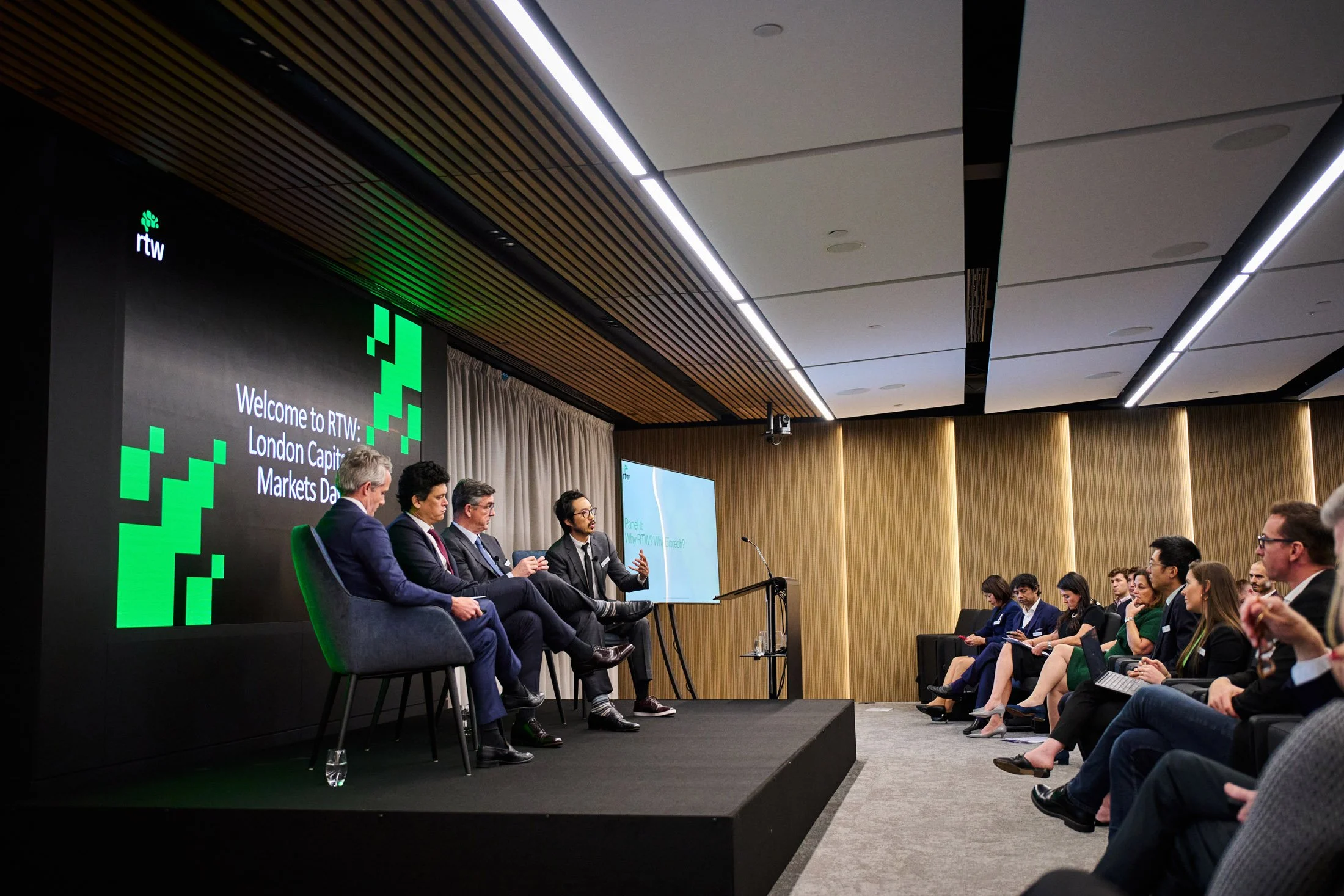
Speakers and presentations: Capturing the main speaker, panel discussions, or presentations helps document the knowledge shared at the event.
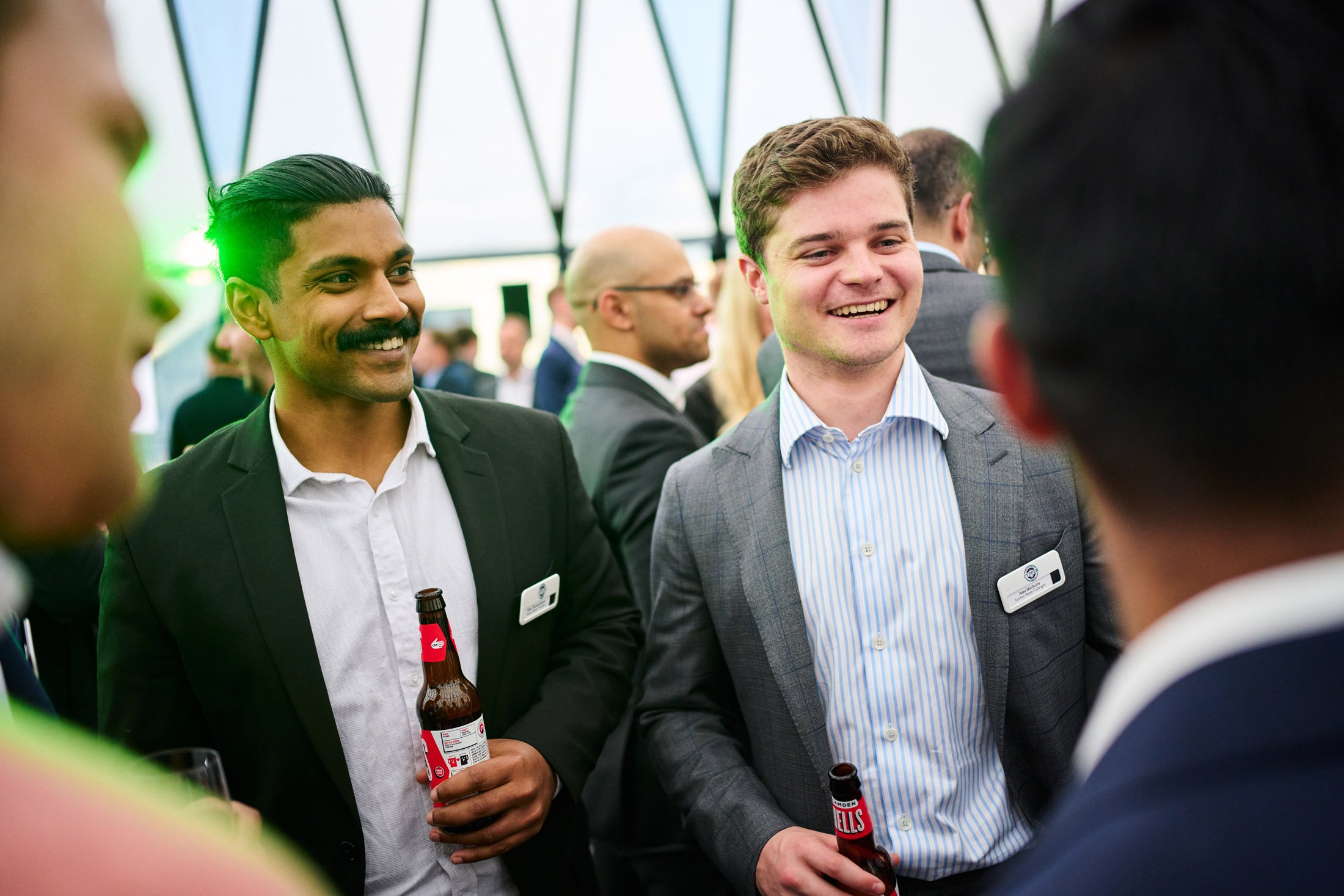
Networking and interaction: Candid shots of attendees interacting, networking, and engaging in conversations often show the personal side of the corporate world.
Awards ceremony: If there’s an awards ceremony, getting clear shots of winners receiving accolades or shaking hands with executives is a key moment.
Group and team photos: Corporate events often include team-building activities or group photos that should be framed carefully for posterity. These are often the photos to go into corporate newsletters.
Details and branding: Close-up shots of branding elements ensure that the event’s identity is captured.



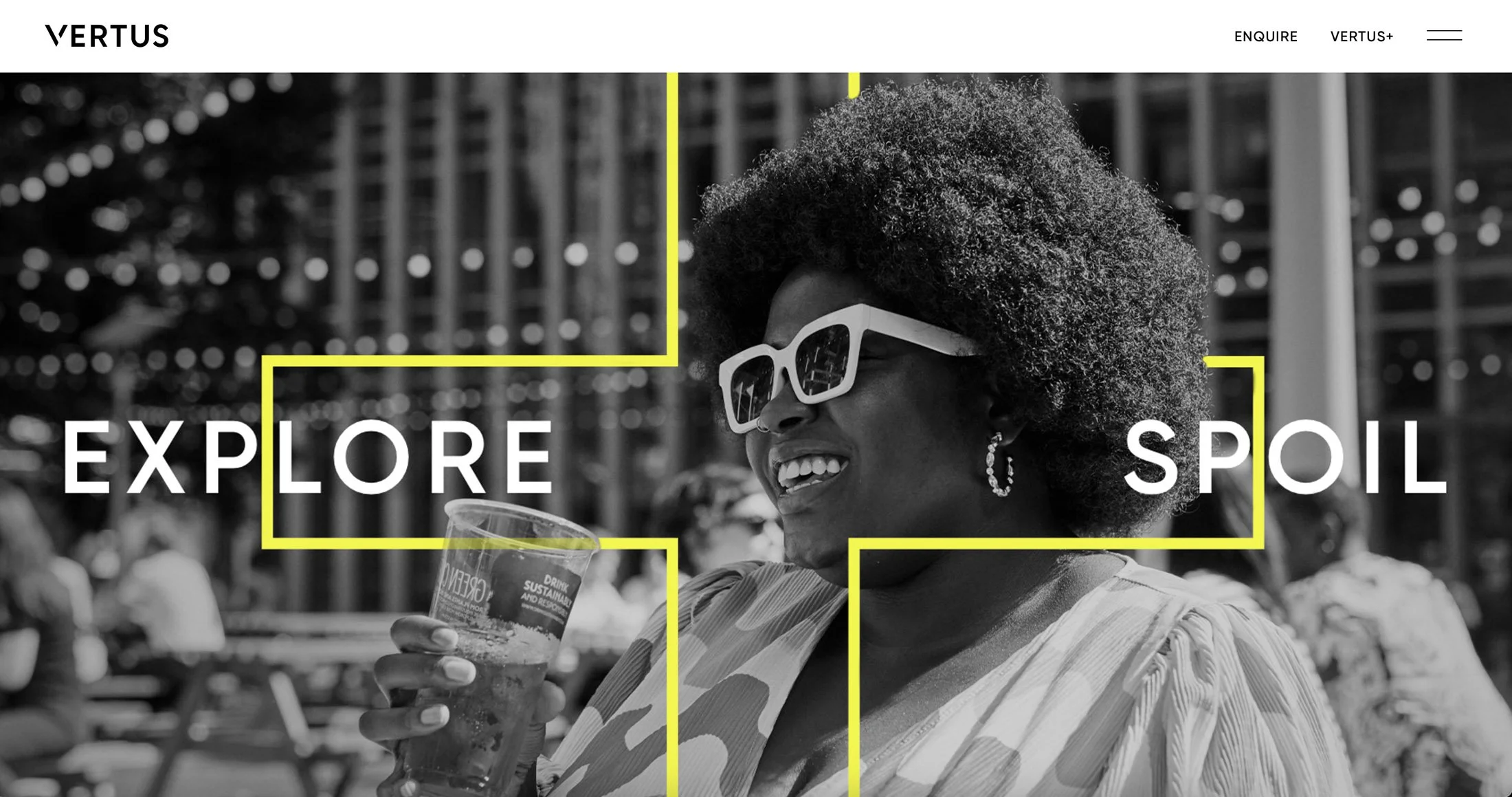
Advertising photography
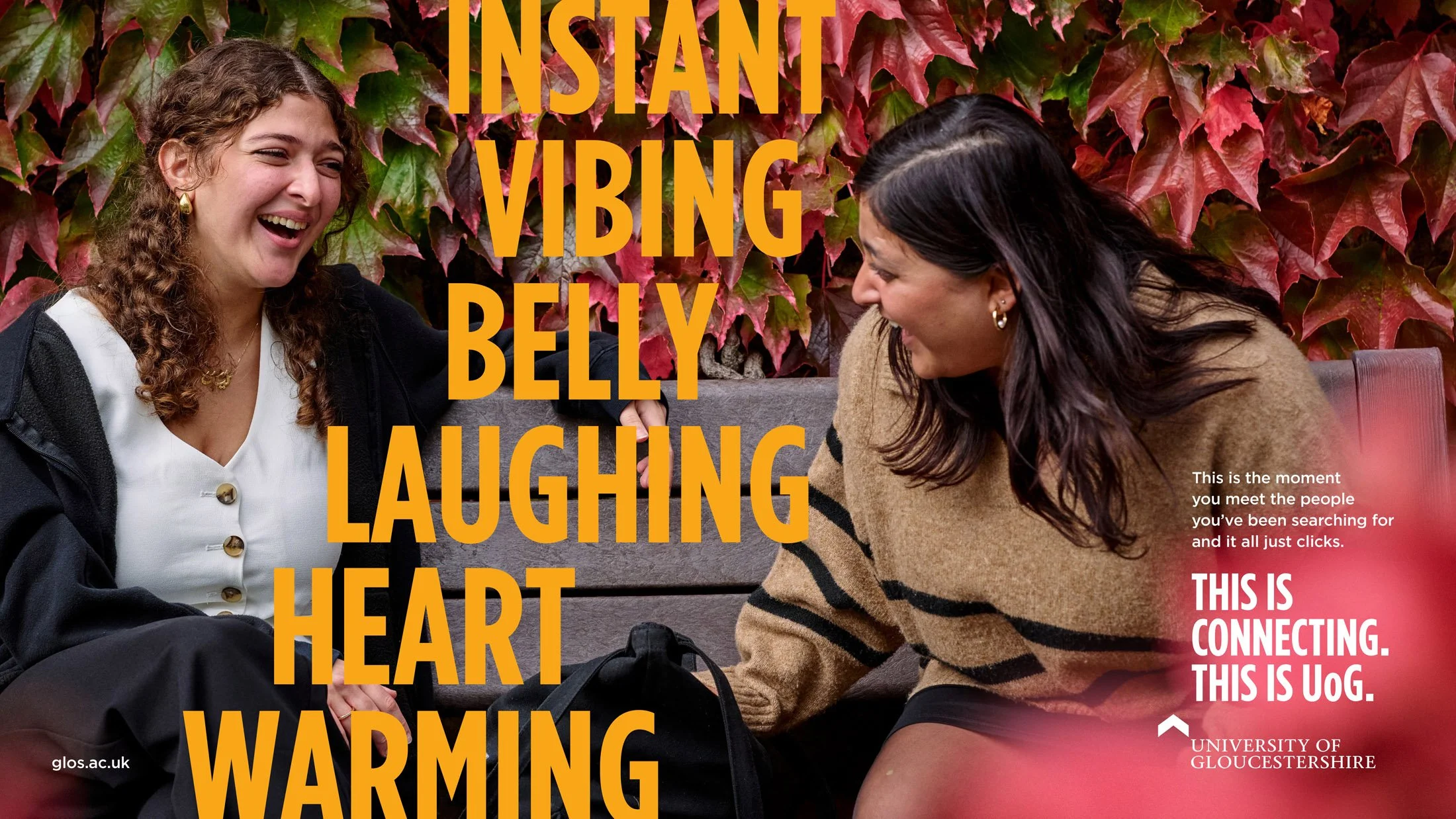
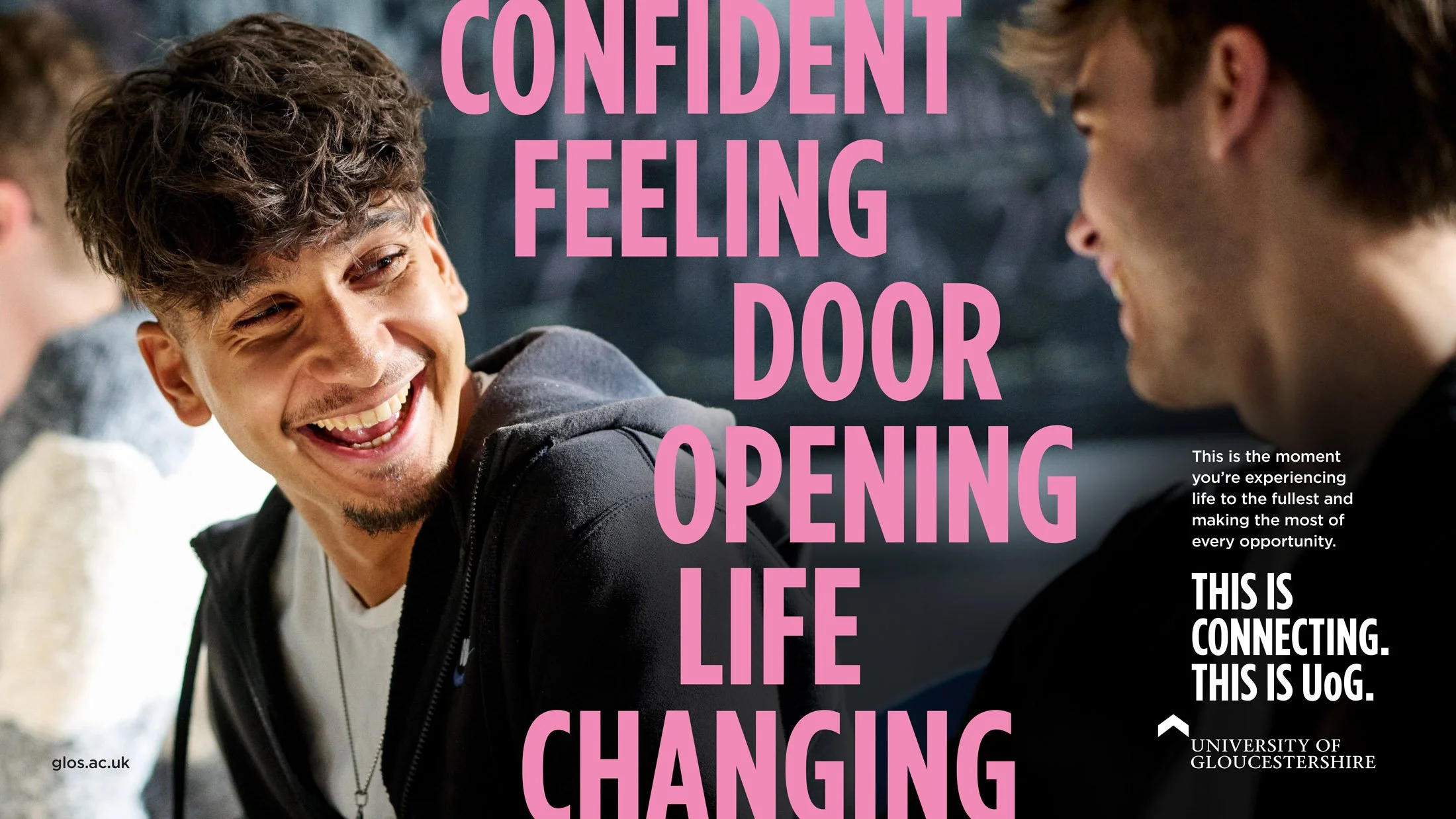
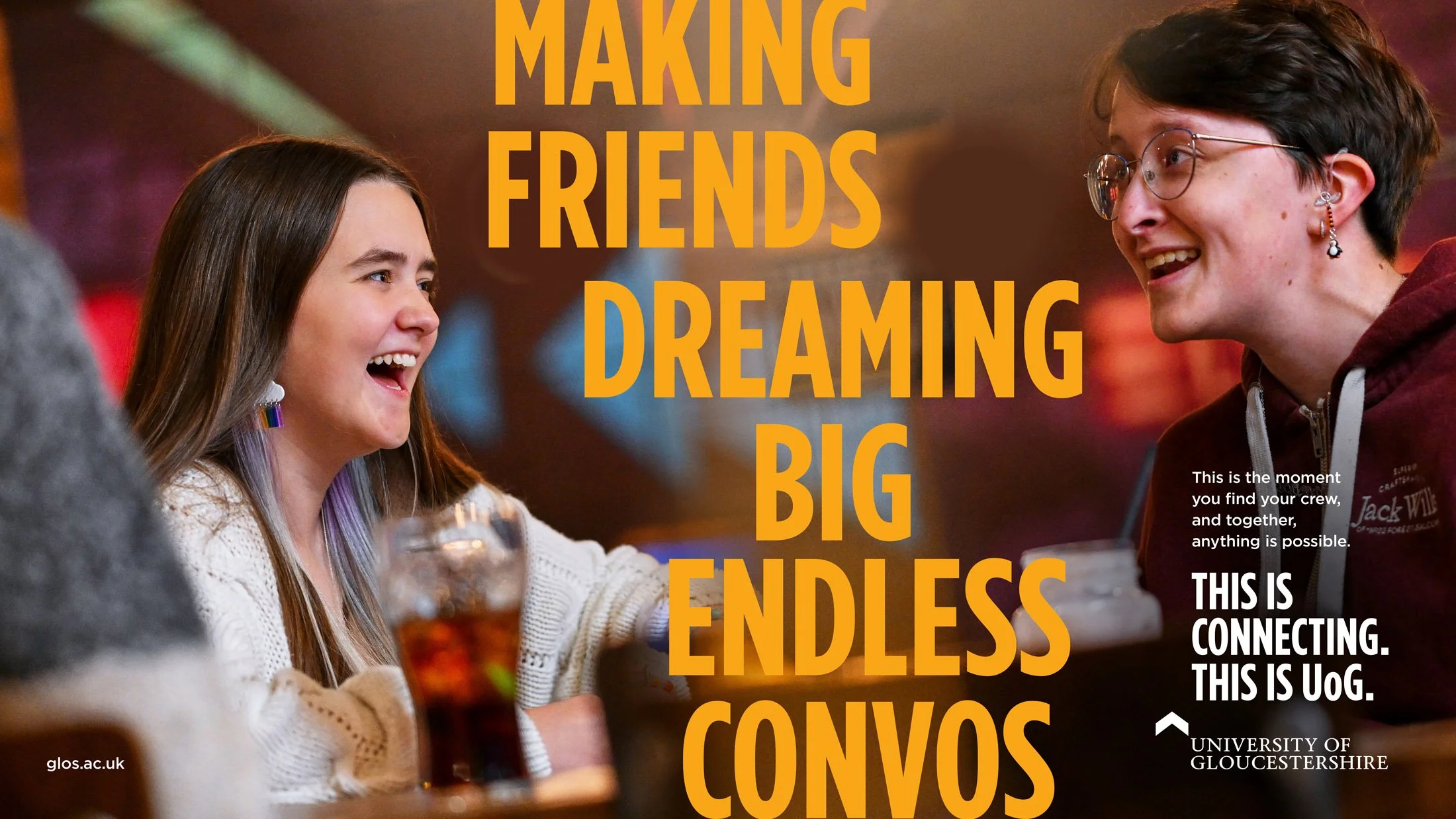
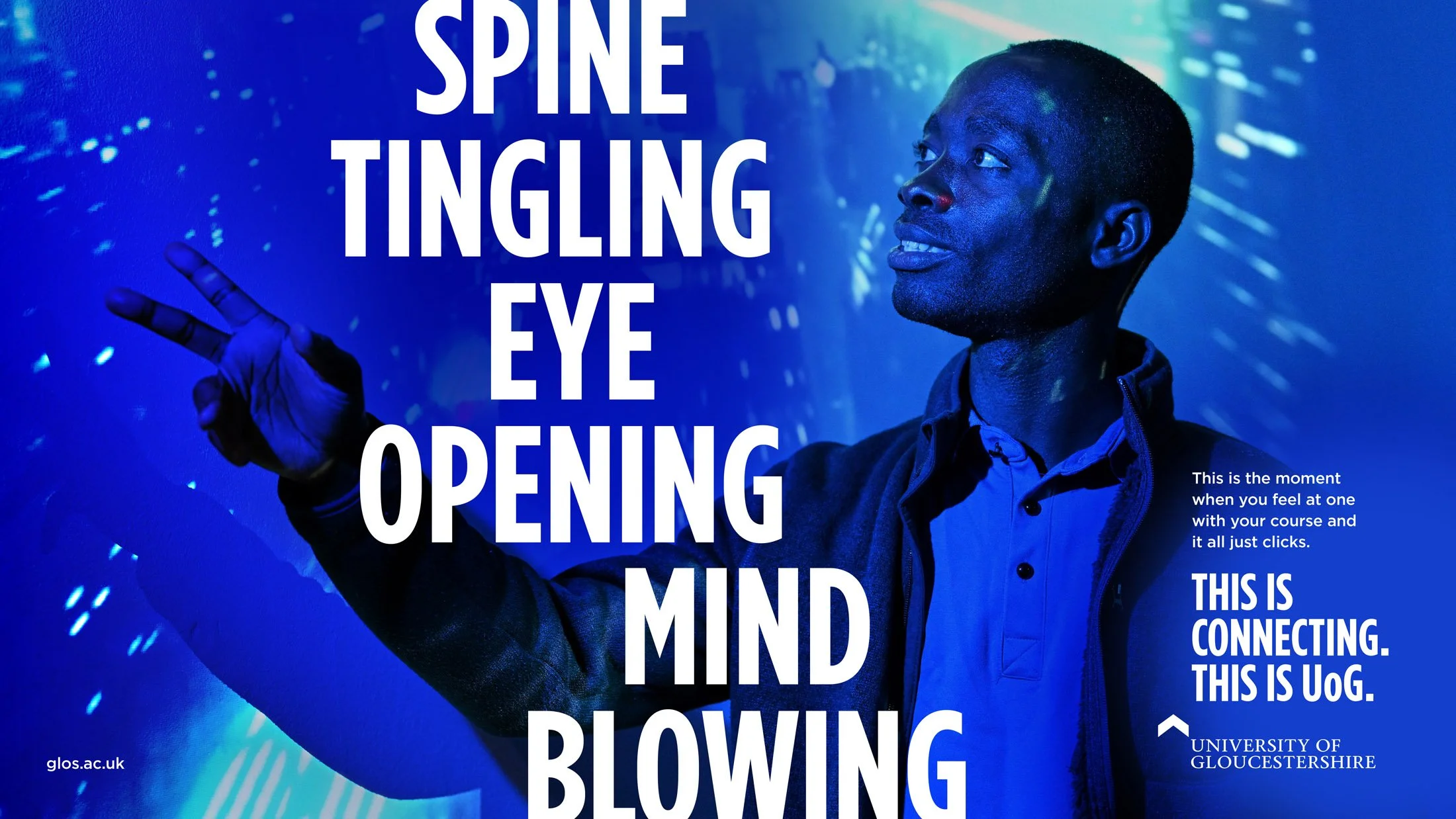
Advertising photography is a role that goes beyond simply taking pictures. Advertising photographers are problem solvers who understand the importance of storytelling through visuals. They combine technical skill with creative instincts to bring the vision of an ad campaign to life.
Advertising photographers often work closely with clients to create mood boards, develop shot lists, and handle every aspect of the shoot, from pre-production to post-production.
There are several common types of advertising photography
Product photography: This type of photography focuses on the product itself, usually with a neutral background. In recent years, product photography has become more common, featuring products in situ.
Lifestyle photography: This type of photography shows the product being used in real-world settings, often featuring models or real people.
Fashion photography: This type of photography focusses on clothing, accessories, and beauty products, usually with an emphasis on high-end or aspirational appeal.
Food photography: This type of photography is used for restaurants, cookbooks, and food brands, emphasising textures and colours.
Trends in advertising photography
Authenticity: With the rise of social media and consumer demand for realness, advertising photography is shifting away from overly staged, idealised imagery to more authentic, relatable representations.
Minimalism: Simplified, clean aesthetics are popular, focussing on the essential elements of a product with little distraction.
Sustainability: Brands increasingly seek to convey eco-consciousness through their photography, often incorporating nature, recyclable materials, or ethical practices in shoots.
Effective advertising photography can transform a product or idea into a powerful visual narrative that captures the attention of the audience and drives engagement.






Corporate headshot photography
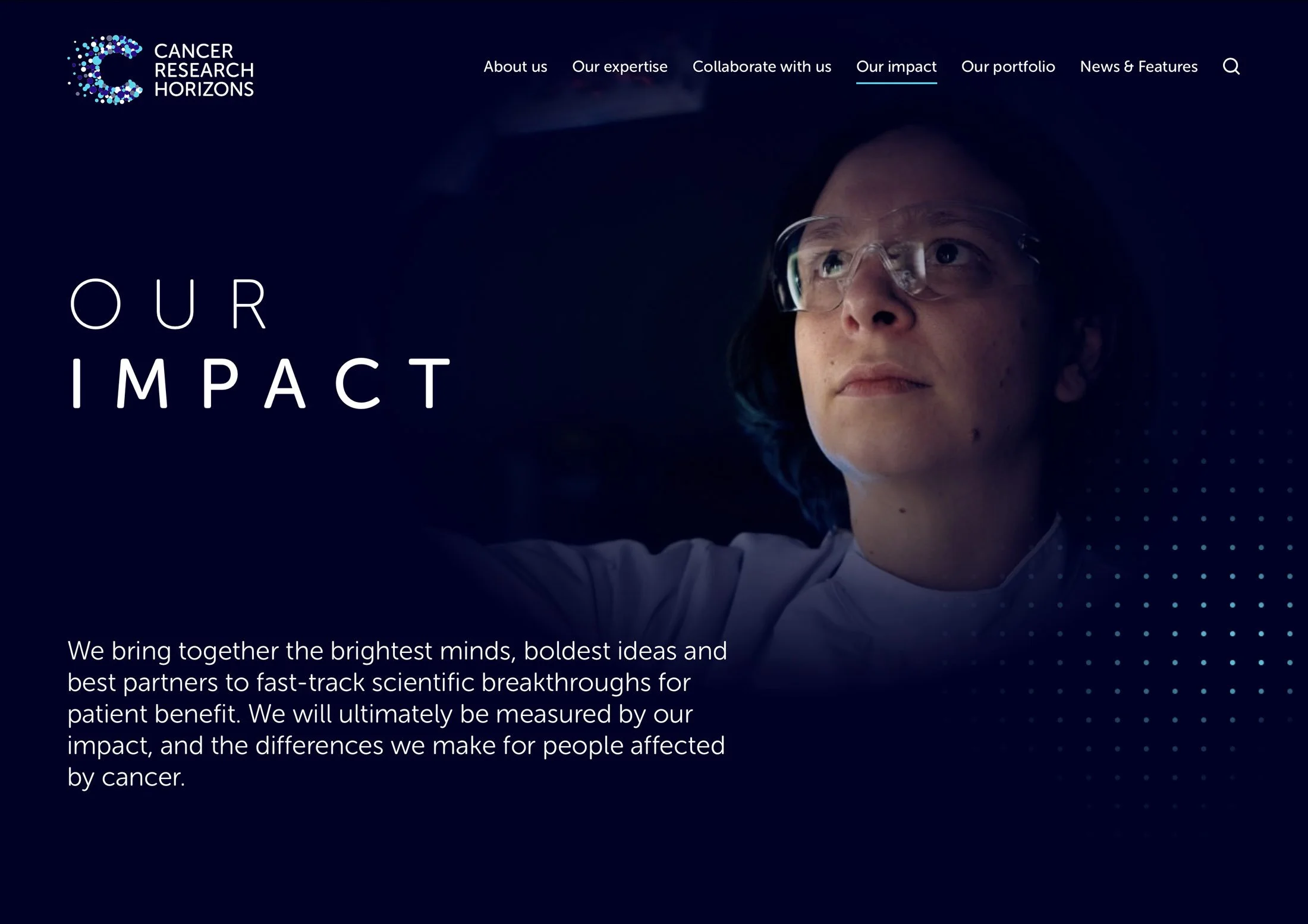
Corporate headshot photography is designed to create professional, polished images that represent individuals in the business world. These photos are typically used for LinkedIn profiles, company websites, and marketing materials, and follow certain conventions to convey professionalism, approachability, and confidence. Here’s a breakdown of key elements involved in corporate headshot photography by a corporate photographer Bristol:
Setting and background
Neutral, simple backgrounds: Common backgrounds include solid colours (white, grey, or light blue). The goal is to keep the focus on the subject without distractions.
Environmental headshots: Some companies prefer environmental shots, where the background reflects the person’s work environment, such as a desk or a conference room. These are more dynamic but still need to look professional.
Lighting
Soft, even lighting: A professional headshot is typically lit with soft, flattering light. This often involves using softboxes, diffusers, or umbrellas. Lighting should reduce harsh shadows on the face while ensuring the details (like eyes and facial features) are clear.
Key light and fill light: A common setup includes a key light to illuminate the subject and a fill light to soften shadows. This is often complemented by a background light to separate the subject from the background.
Wardrobe
Professional attire: Solid colours are often preferred over patterns, as they don’t distract from the face. For men, suits, blazers, or shirts are common; for women, blouses, blazers, or dresses are typical.
Appropriate for industry: The attire can vary depending on the industry. For example, corporate professionals often wear business suits, while tech professionals may opt for business casual or smart casual looks.
Composition and posing
Head and shoulders: A standard corporate headshot includes the head and shoulders, typically with the subject facing the camera or slightly turned to the side.
Eyes and expression: The subject should have a confident and approachable expression. A slight smile is common, but a more serious look may be appropriate in fields like law or finance.
Body positioning: The subject is generally positioned straight or at a slight angle, with relaxed but confident posture. Hands may be placed naturally at the sides or gently folded.
Image editing and retouching
Professional headshots often undergo subtle retouching to enhance the image. This may include adjusting lighting, removing blemishes, and fine-tuning colours. The goal is to keep the image looking natural while ensuring it’s polished. It’s important to strike a balance between looking polished and still resembling the real person, as over-editing can make the photo feel artificial.
Equipment
A high-quality camera, ideally a professional DSLR or mirrorless camera with a high-resolution sensor, is ideal for corporate headshots. A lens with a wide aperture (like 85mm f/1.8 or a 50mm f1.8) can create a beautiful blurred background (bokeh) while keeping the subject in sharp focus.
Framing and aspect ratio
The photo is typically cropped just above the shoulders, focussing on the face and upper torso. The composition should have some breathing room, particularly around the subject’s head. Headshots are usually framed in a 4:5 or 8x10 ratio, but may also be formatted for social media platforms like LinkedIn (1:1 square) or company directories.
Consultation and preparation
A pre-session consultation with corporate photographer Bristol is helpful in discussing the purpose of the headshot (LinkedIn, company website, brochures, etc.), preferred style, and industry standards. For both men and women, it’s recommended to ensure grooming and attire are on point. Some may even opt for professional hair and makeup services for a polished look.
When planning a corporate headshot session, communicating your needs clearly to the photographer is crucial. This ensures the final image aligns with your personal or company branding. The aim is to project professionalism while maintaining an approachable and authentic look.
Have a project in mind?
To discuss a project, arrange a meeting or view my portfolio please contact me on +44 (0)7956 902 509
or by email at mail@davidhares.com